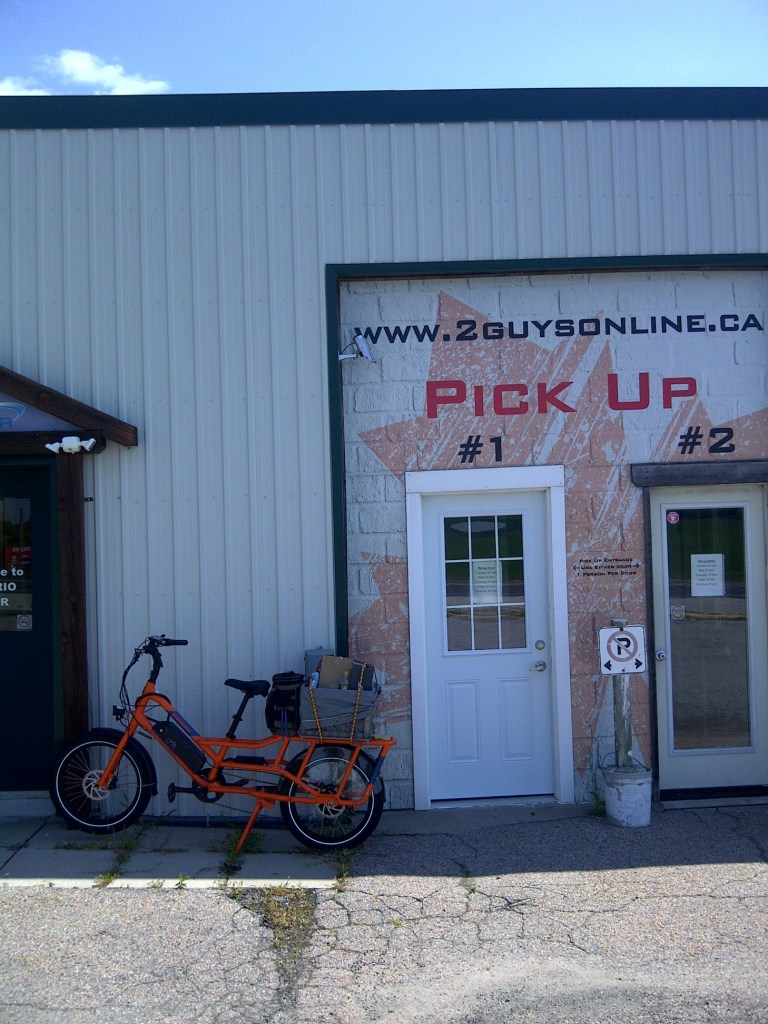
It was one of those special days. Gershom Morris, an amazing, gifted mobile bike mechanic who runs Pedal to the People was at my place to check my e-cargo bicycle of what I thought was a safety issue. Being incredibly honest, Gershom checked it over and he said the issue was okay and not an issue. He didn’t want any reimbursement. Gershom is a local businessman. He could have played around with a wrench and fleeced me. But he didn’t. I have to admit I am extremely gullible (yes I have been scammed in the past). So I really appreciated his honesty and integrity. I wanted to support him. He needs to make a living like everyone, so I asked while he was here at my place if he would service my 20 year old “Giant” road bike. A bike I haven’t ridden much these past few years. I have to confess I have also been very negligent in keeping it properly maintained.

I was mesmerized watching Gershom expertly, methodically and thoroughly clean, inspect, tweak and adjust my Giant until the bike was rejuvenated to a like new condition. It was easy to tell he has a deep passion for bicycles, and takes so much pride in his work. What really blew me away was during the entire time Gershom was working diligently on my bike, a monarch butterfly was gracefully flying overhead. It landed a few times on my nearby purple coneflowers in my gardens to refuel, and then it would fly overhead above us again. As soon as Gershom started to pack up his bike stand and tools after finely tuning my road bike, the monarch butterfly was gone.
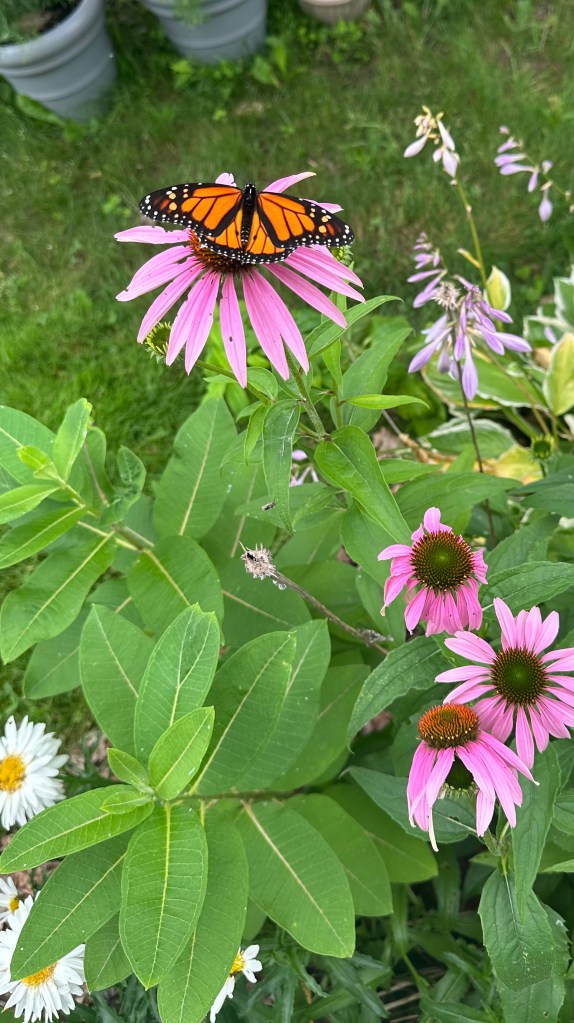
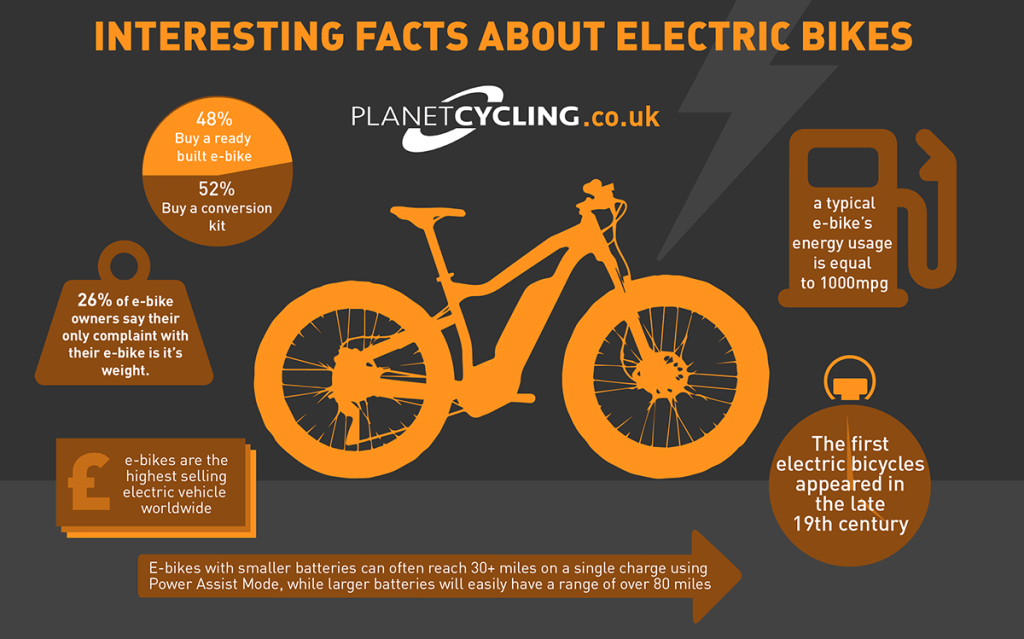
I had been looking for monarch butterflies in all their usual hangouts for weeks. It was disheartening to find no monarchs anywhere. So to have that 1st monarch sighting while Gershom was working on my bike gave me goosebumps. Using practically no carbon footprint, the bicycle is a major tool to fight climate change. Was that monarch butterfly sending us a message?



For the past 5 years I have been part of an organization called the Monarch Ultra, both as a runner and an ambassador. I have met some incredible people both here in Canada and in Mexico who have such a passion for our natural world and its need to see the monarch butterfly’s survival. It’s pretty easy to recognize the vivid orange wings, delicate black markings and bright white spots of the monarch butterfly. It’s mind blowing to think this delicate creature that is the weight of a paper clip will migrate thousands of kilometers from Canada to Central Mexico. They are the only butterfly known to make this kind of migration. But because of increasingly severe weather events from human caused climate change, pesticide use and habitat loss there have been fewer and fewer monarchs returning north each spring. Their migration is perilous. The most informative video on the migration of the monarch butterfly I’ve come across is on the Joe Hanson’s video series Be Smart. Originally aired on PBS on April 9th, 2019. The video is found below.

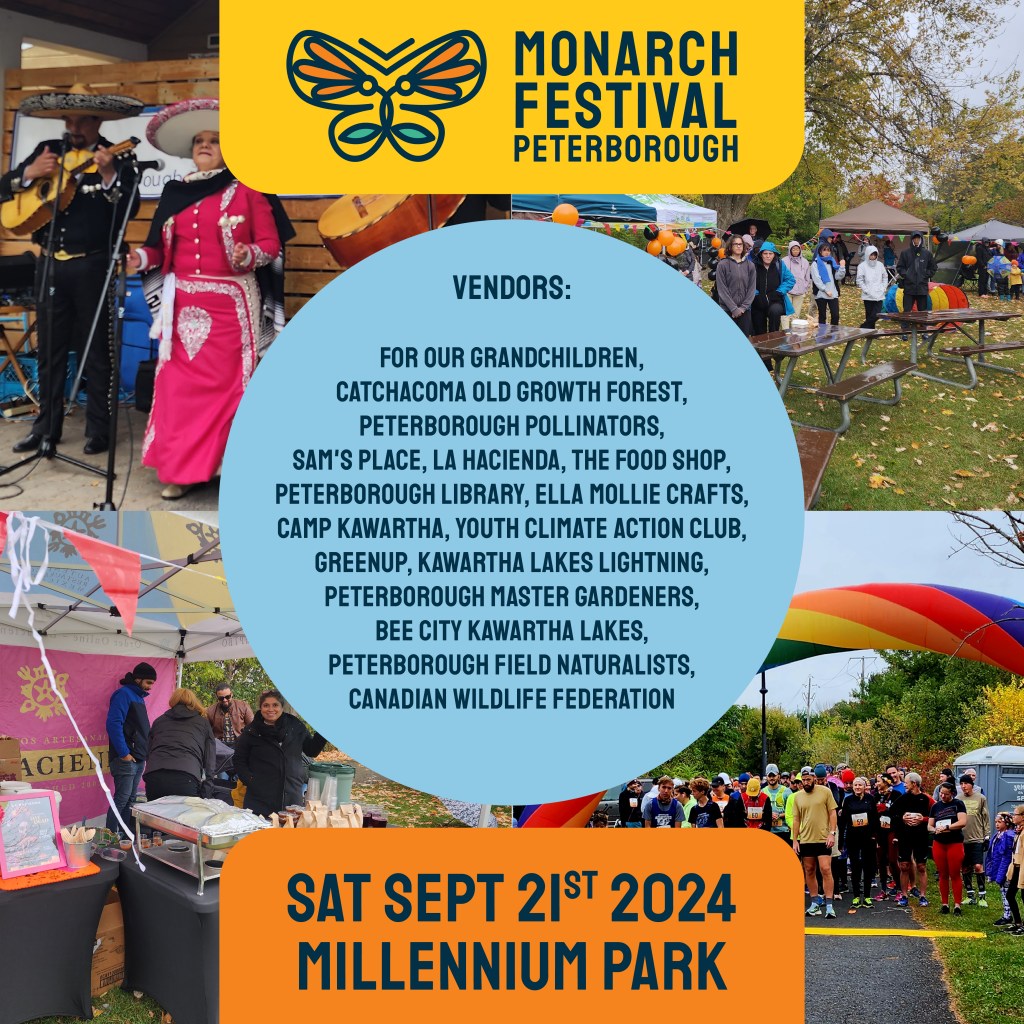
We are hosting a Monarch Race and Monarch Festival is to raise awareness for the iconic monarch butterfly on Sept. 21st in Peterborough. Is the monarch butterfly headed towards extinction? Here in Canada we are encouraged to plant milkweed, which is the only plant the monarch caterpillar feeds on. Along with the milkweed, people are planting native plant species that attract the monarch butterfly. With more and more people and municipalities doing this, at least the monarch will be in the best shape possible when they leave Canada in the fall migration.

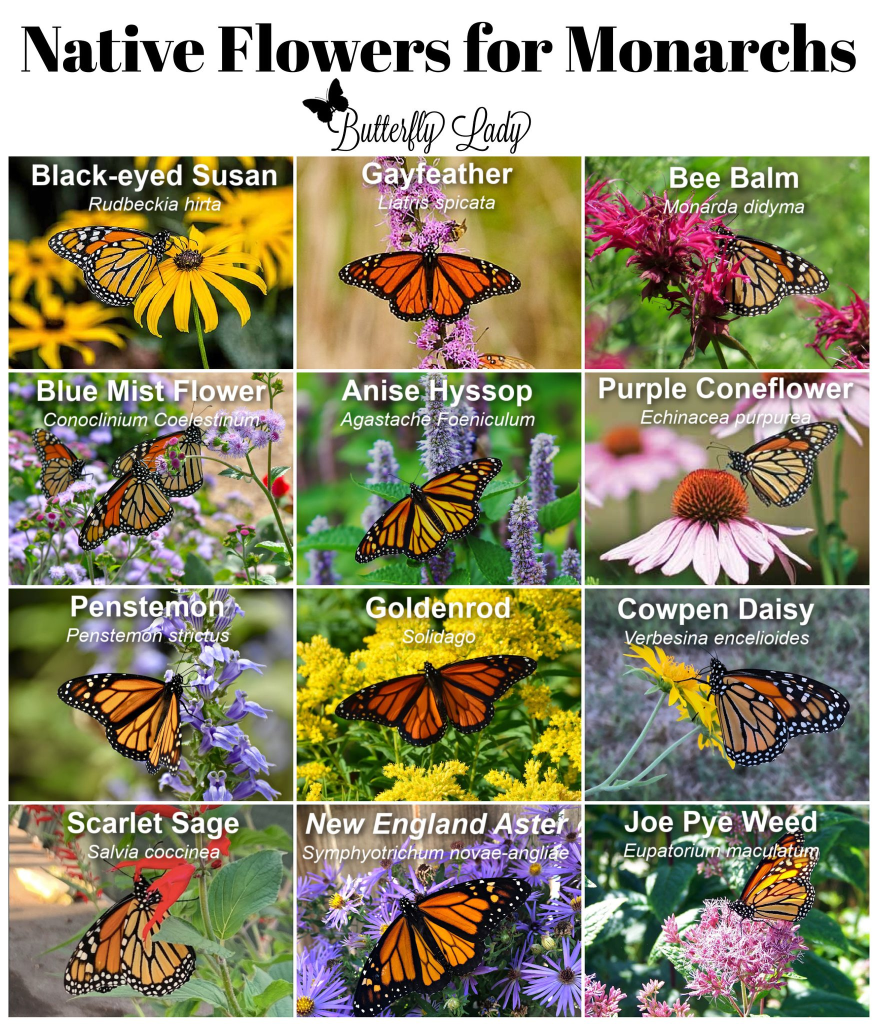
There is a positive ripple effect when gardeners answer the call to invite monarch butterflies into our gardens and yards by planting milkweed and monarch friendly native plants. Other great pollinator species just might discover the garden and coexist with the monarch caterpillar and butterfly to reap the benefits as well. It’s been exciting to see my little half acre becoming a loving habitat with greater biodiversity for a plethora of insect species. Biodiversity comes from two words: bio which is short for biology (living things) and diversity (variety).


The beetle in the above photo is called the milkweed beetle, which also have orange and black markings. This insect belongs to the world’s largest order of insects, the Coleoptera. Much the same as the monarch caterpillar, the toxins in milkweed provide a chemical defense against predators.
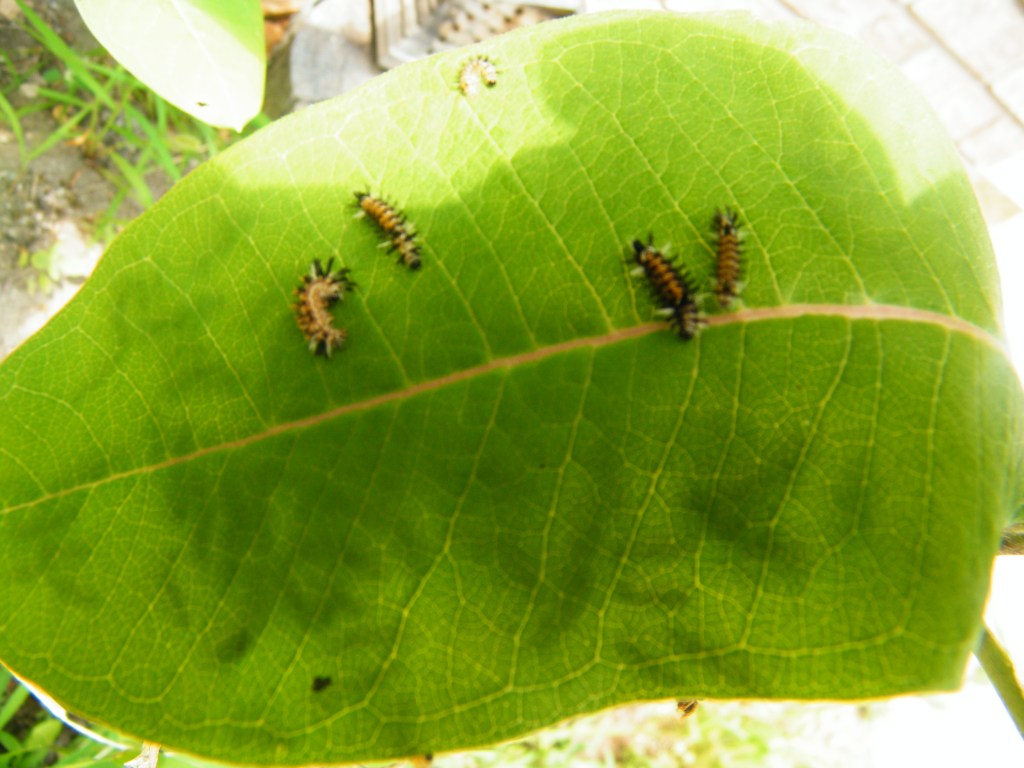
Another extremely fascinating creature that lays its eggs on the milkweed is the milkweed tussock moth. While carefully looking for monarch eggs and caterpillars in my pollinator garden I discovered one milkweed leaf with likely over a hundred little caterpillars. As the name implies, the milkweed is the host plant. Like the monarch butterfly, they require the milkweed plant for survival. The moth will lay eggs in clusters. When they hatch, the caterpillars feed together on the same milkweed plant in groups or “colonies.” They were so fascinating to watch. They will keep feeding until they skeletonize entire milkweed leaves, feeding only on the tissues between the veins, thereby avoiding the copious latex sap found in the veins. Once stripped clean, together they would march like an army on to another leaf. Fortunately, I have a lot of milkweed. More than enough for all the visitors who might happen to come to my garden.

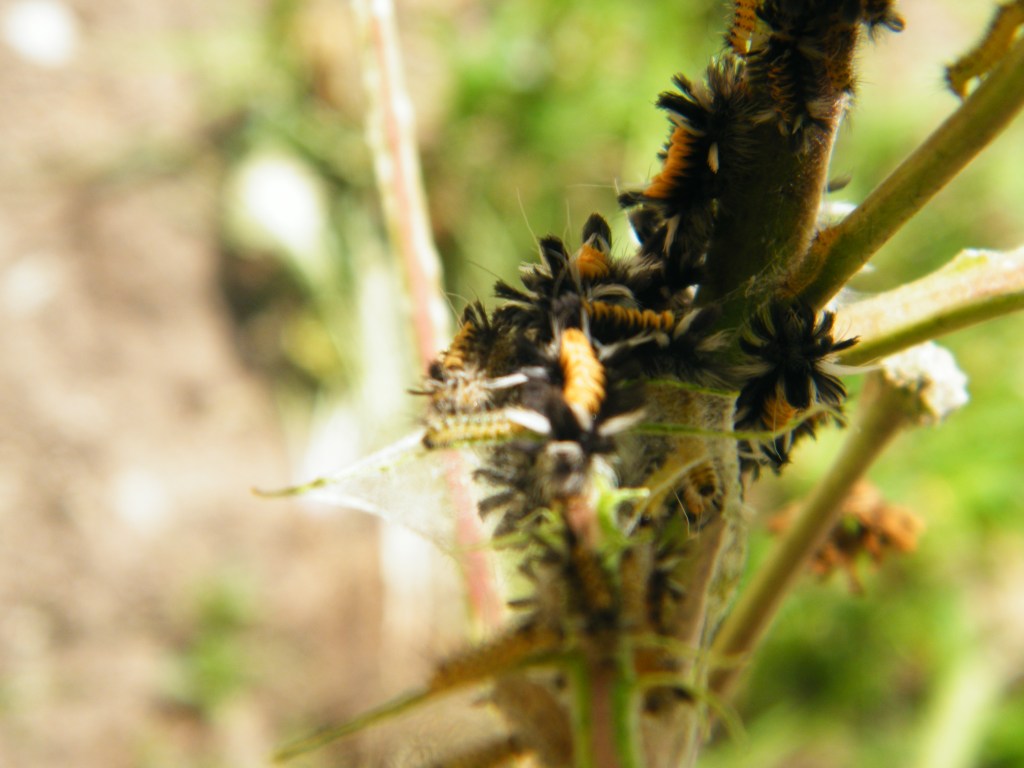
Although we all likely planted milkweed for the beloved monarch butterfly, it is important to remember that species diversity is necessary for a healthy ecosystem. Sometimes referred to as night butterflies, moths play a crucial role as pollinators. As they actively seek nectar from flowers, they inadvertently transfer pollen grains between plants, enabling pollination to occur. This process promotes genetic diversity and the reproduction of many plant species. In a year where I have yet to locate a monarch caterpillar (and it now the middle of September), observing this amazing milkweed tussock moth caterpillar has given me so much joy.

The milkweed tussock moth in itself is quite mundane looking. The brightly-colored abdomen that was noted as a caterpillar is mostly covered by its brown wings. The website Birdwatching HQ mentioned there are at least 160,000 species of moths in the world. INaturalist Canada has 3,049 moth species listed in Ontario. They come in different shapes and sizes. Some moth species are quite beautiful.

The Io Moth is possibly the most striking moth species in Ontario. When threatened, these large moths open their wings to expose their intense eyespots to distract and startle predators. I rarely see this magnificent moth, and can’t remember the last time I have personally seen one.


An academic article from Penn State titled “Why We Need Insects” mentions that “insects comprise over 80% of terrestrial species on Earth. Insects drive the production of essential seeds, fruits, and vegetables via pollination, and are necessary decomposers of organic matter. Further, insects are keystone species that provide invaluable ecosystem services that extend beyond pollination, by providing biological control of pests, and acting as bio-indicators of healthy streams and soils. Insects form the base of complex ecological food webs in agricultural, natural, and urban areas, shaping the appearance, beauty and complexity of these diverse landscapes.” Insect pollinators are said to pollinate over 85% of wild flowering plants and over 75% of agricultural crop species.

Entomologists and environmentalists have been providing research evidence that insect populations are facing major declines. A Reuters interactive article titles “The Collapse of Insects” mentions “As human activities rapidly transform the planet, the global insect population is declining at an unprecedented rate of up to 2% per year. Amid deforestation, pesticide use, artificial light pollution and climate change, these critters are struggling — along with the crops, flowers and other animals that rely on them to survive.” Including the one in my pollinator garden, I’ve only spotted five monarch butterflies this year. I’ve inspected hundreds of milkweed plants, and have yet to find a monarch caterpillar this entire year. This is very disturbing and heartbreaking for me. With the monarch butterfly being one of the most studied and tracked insect on earth greatly declining in numbers, what chance of survival does all the other insect species have?

As previously mentioned, planting native gardens that attract pollinators is extremely important for many insect species. Not only do they help create habitat for pollinators and wildlife, but they are also able to adapt and thrive in weather conditions specific to the growing region. Please continue to keep planting. We must do what we can. But the problem runs far deeper.
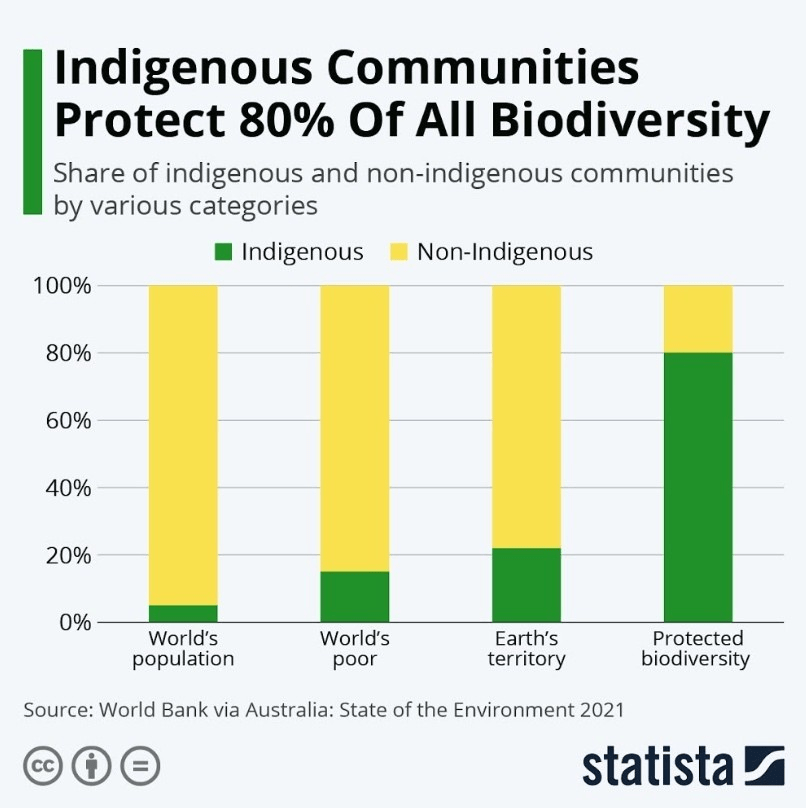
The biggest problem has become extremely hard to change. That is our warming climate caused by human activities. Primarily driven from our dependence of fossil fuels. We are fortunate to live in a beautiful, diverse, nurturing, awe-inspiring planet. Our children, and all future generations, deserve the same. But any Indigenous person, practicing Indigenous culture daily with connection to the land can tell you we are heading in to crisis. Indigenous people were the first conservationists who treated the land, forests and water with care and respect. They realized that their lives directly depended on the health of the entire natural ecosystem. Their voices pleading for the health of our planet really need to be listened to.

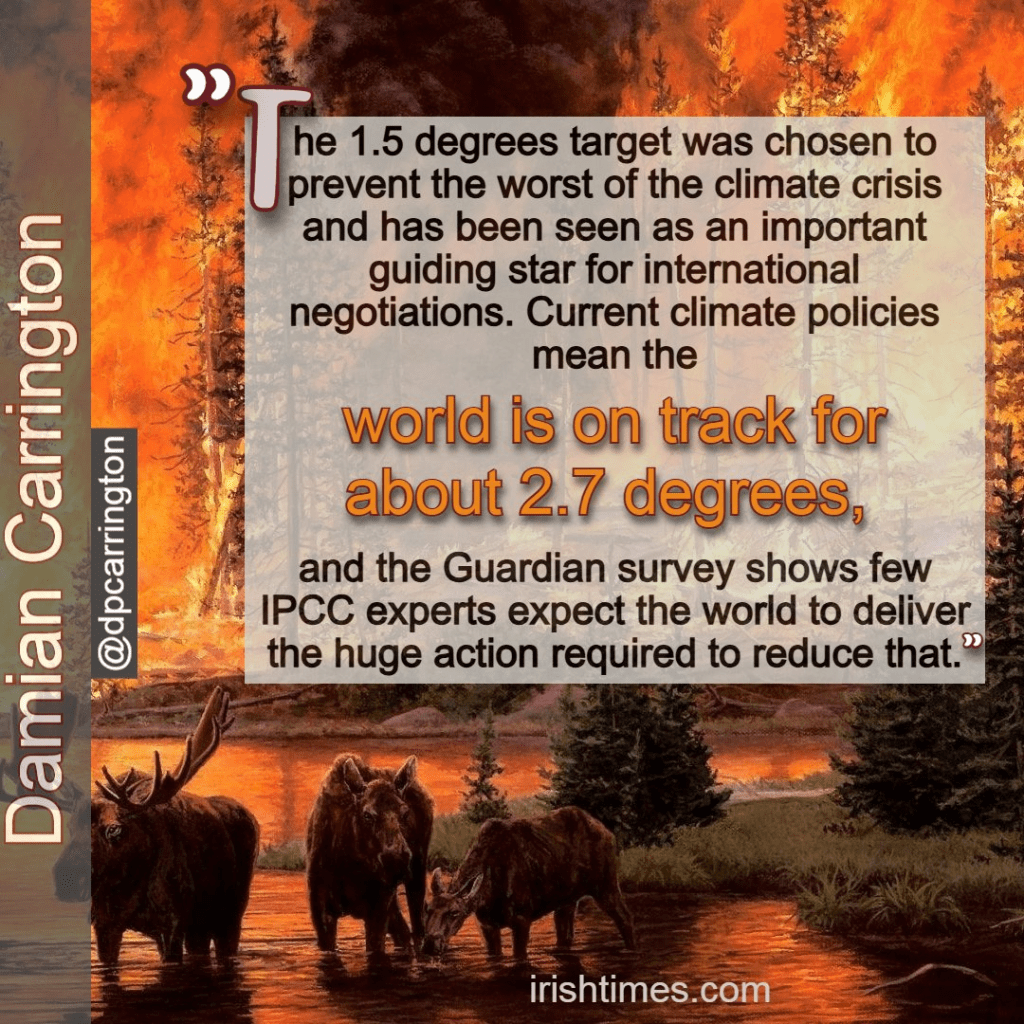
António Guterres, Secretary-General of the United Nations wrote that high-emitting governments and corporations, were not just turning a blind eye, “they are adding fuel to the flames by continuing to invest in climate-choking industries. Scientists warn that we are already perilously close to tipping points that could lead to cascading and irreversible climate effects.” The UN chief added: “This is not fiction or exaggeration. It is what science tells us will result from our current energy policies. We are on a pathway to global warming of more than double the 1.5 degree Celsius limit that was agreed in Paris in 2015. To limit global warming to around 1.5C (2.7°F), the IPCC report insisted that global greenhouse gas emissions would have to peak “before 2025 at the latest, and be reduced by 43 per cent by 2030”.


The warming of our planet is already accelerating worsening extremes such as heat waves, wild fires, droughts, floods and storms. Tropical cyclones are getting stronger and wetter, while Arctic sea ice is dwindling in the summer and permafrost is thawing. All of these trends will get worse. Yellow Dot Studios releases a weekly extreme weather report such as shown in the above video. They are terrifying to watch. Research shows we have less than five years left to avert global warming beyond 1.5C, the tipping point when even more severe climate disruptions could exacerbate hunger, conflict, and drought worldwide. We know that the extraction and consumption of fossil fuels are destabilizing the earth’s climate patterns in what is called the climate crisis. From the website Statistica, it quotes “Oil consumption worldwide reached approximately 100.2 million barrels per day in 2023.” Using my calculator I came up with the total of 36.57 billion barrels of oil consumed in 2023. That is a staggering amount of fossil fuels in which I’m having a hard time wrapping my mind around. Our reliance on fossil fuels is also a major contributor to a second crisis we are facing: the biodiversity crises. In which the web of species and ecosystems that anchor all life on Earth, including us, is collapsing.


This whole outlook seems pretty depressing. But the good news is that we haven’t reached 1.5C yet. Though we are closing in. There is a lot we can still do in this immediate time as individuals to change this narrative. Starting with myself, we as individuals must change our consumption habits. The second thing is we need to pressure those who represent us to move rapidly away from fossil fuels to a low-carbon world. We cannot keep forging ahead with this “business as usual” mindset. The United Nations has an excellent article, “10 Ways You Can Help Fight the Climate Crisis“.

Everyone has habits. Some good. Some bad. When it comes to the environment, even our everyday bad habits have a way of silently killing our planet. MSN has a slideshow article that lists 18 of them. As an introduction it says, “Don’t worry, we’re not here to make you feel bad. Instead, I’ll show you how small changes can make a big difference.” The 18 negative habits are: leaving lights on, long showers, plastic water bottles, throwing away food, using disposable items, leaving electronics plugged in, driving short distances, using chemical cleaners, wasting paper, overusing air conditioning, fast fashion, using too much laundry detergent, leaving the tap running, not recycling properly, using pesticides, excessive lawn watering, tossing electronics, and idling cars.
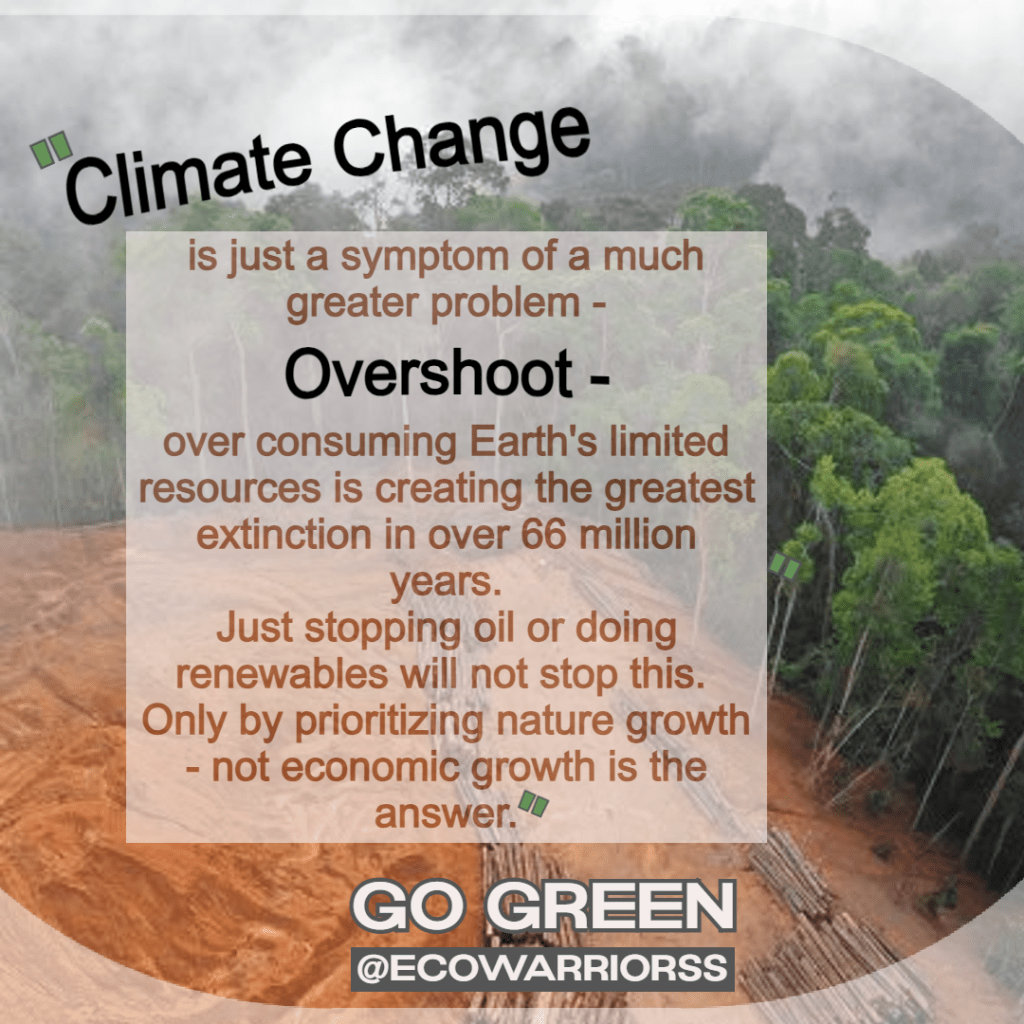
These 18 daily habits to break listed above are low hanging fruit we can individually easily attain. Individual change can and does help make a difference and is greatly encouraged. On top of a greatly reduced fossil fuel consumption, the greatest impact will come about through the restoration of nature. We as a human race cannot keep destroying nature for profit and not reap the tragic consequences. From a Business Reporter article titled, “Putting a Dollar Value on Nature Will Give Governments and Businesses More Reasons to Protect It“, it reads, “Humans depend on nature’s contributions for survival. For example, forests absorb carbon and filter the water we drink. Wetlands and coral reefs mitigate flooding. Bees and other insects pollinate crops, enabling us to grow food. But human societies don’t formally recognize the economic value of these services. This oversight encourages people to recklessly deplete the natural environment.”



This past June 22nd there were more than 350 charities, action groups and other organizations coming together as they marched through central London, England in a peaceful demonstration called Restore Nature Now. With more than 60,000 people in attendance, it was the largest march for nature ever seen. One of the groups participating was The Green Runners, which I am proud to be a member of. Their motto is “A running community making changes for a fitter planet”.

Once again the Monarch Ultra is proud to partner with Nación Verde, a non-profit environmental organization in Mexico that works towards conservation, greening schoolyards, protection of our environment, supporting Indigenous communities, as well as protecting monarch sanctuaries. Nación Verde is playing a vital role in protecting habitat for monarch butterflies and other forest dwellers at the Monarch Butterfly Biosphere Reserve by planting Oyamel fir trees throughout the region. This also benefits economically as it provides employment for the local people. Here is the link for our fundraising page where donations go to Nación Verde. Look for fundraising on the left side.

In years past I’ve had dozens of monarch butterflies visit my pollinator gardens. Those years it then it became a nursery to monarch caterpillars, followed by their chrysalis. They always brought me so much joy. This year I have only noticed one monarch butterfly visiting my gardens. To have it stop by the exact time Gershom was working on my bike left a really powerful message. I often wonder about this butterfly. Is it currently migrating to Mexico? On July 21, 2022 the IUCN Red List listed the migratory monarch butterfly as endangered. If we as humans through collective action are able to save this iconic insect from becoming extinct, we may not just only save the migratory monarch butterfly. We may in fact save our planet, which is sadly becoming increasingly more and more stressed. Thank you for reading.

From filmmaker Rodney Fuentes. After 5 years in the making, The Monarch Ultra documentary on our 47 day, 4,300 kilometer relay in 2019 from Peterborough, Canada to the Monarch Butterfly Biosphere Reserve in Central Mexico is ready for screening. We kick start our film festival campaign with the Canadian premiere on October 23rd in Peterborough. Announcements will soon be made on the screening schedule. The documentary trailer is shown above. Please keep checking in on the website Monarch Ultra Film for more screening updates.


 theoldfellowgoesrunning
Wow Carl that is a very interesting article. You have done a lot of research. I really enjoy butterflies and certainly learned
alot about them. Your pollinator gardens are just beautiful. Good luck in your Monarch Run on Saturday in Peterborough. Kudos to you Carl.
Sheila
LikeLiked by 1 person
Thank you so much for taking the time to read, Sheila. I am really enjoying my pollinator gardens. Each year I am making them a bit bigger. It was wonderful having lots of swallowtail butterflies. So beautiful to watch. Thank you for your kind words.
LikeLike
Thank you for sharing this heartfelt and inspiring piece, Carl!
Your story about Gershom’s honesty and expertise in fixing your bike, and how that moment tied into you spotting the monarch butterfly is amazing. The symbolism of the monarch appearing while he worked felt like a powerful reminder of the connections between our actions and the environment.
Andy Boenau’s comment on infrastructure also stood out to me. It’s so true! Car-dependent infrastructure limits our mobility options and discourages sustainable alternatives like cycling. I’m happy to see that there are some strong moves to create more safe infrastructure for bikes in Switzerland.
Your story highlights how vital it is to push for changes that reduce our reliance on cars.
Your passion for pollinators and dedication to restoring biodiversity is truly admirable. I also appreciated your list of 18 habits that harm the environment—it’s a great reminder of the small, daily changes we can all make to protect our planet. We can all do something!!
Thank you for this powerful article and its thoughtful reflections.
LikeLiked by 2 people
You are very welcome, Catrina. Thank you for taking the time to read and for such a thoughtful, generous comment.
The monarch butterfly that lingered and kept flying over Gershom and myself while he was working on my bike will stick with me for such a long time. Particularly that it was the only monarch I saw in my gardens all year.
Andy Boenau us so knowledgeable when it comes to creating a healthier infrastructure. His blog is Urbanism Speakeasy with Andy Boenau | Substack. So wonderful to hear that Switzerland is building safe infrastructure for bikes. The Netherlands is a shing example when you prioritize cycling and active transportation, people do get out cycling because they feel safer.
Quite an off year myself for monarch butterfly sightings, but others I network with have had better success than me. Which is encouraging. We all can make those small, daily changes for our planet. When many people mindfully do that, it really adds up. Thank you again for your kind words. 🦋
LikeLiked by 1 person
We have had a natural front yard from 15 years and planted milk weed two years ago.
But we saw a handful of Monarchs last year and maybe two this year.
On the bright side, we do see several species of bees and finches.
Around our vegetable garden I let garlic go to flower and the bees love it! They love it so much we usually have a resident Praying Mantis.
We all have to do our part but the big corporations will have the most impact. Not enough people are leaving their products on the shelf.
LikeLiked by 1 person
Thank you taking the time to read and for your detailed comment, Andy. I really appreciate all you are doing to help our pollinators. It has been a tough year for monarch butterflies. From the counts of wintering butterflies in the sanctuaries in Mexico recorded year to year from January 2023 to January 2024 showed their numbers had dropped 59% in 2024. Which explains why we both have seen so few monarch butterflies this year.
I must grow some garlic for the bees. I have let onions go to flower and the bees really do love it.
Your last two sentences summed it up so well. Corporations have gotten so powerful. They have the money to spend on an endless barrage of overstimulating ad campaigns prompting people to spend, spend, spend in climate-wrecking consumption. I just don’t know how we can stop this runaway train. We as a society really need to leave their products on the shelf. 🙏🦋🌎
LikeLike
Thank you for the great article, Carl! Monarchs are beautiful creatures and like humans they are very strong and at the same time very fragile. I wish more people understood the importance of caring for our planet.
LikeLiked by 1 person
You are very welcome, Susan. Thank you for reading and for your very well worded comment. Thank you for your care and concern.🦋🌎🙏
LikeLike
So much wonderful information and your butterfly pictures are beautiful. When I first looked at the fire picture I thought it was a sunset, so sad!
LikeLiked by 1 person
Thank you for your kind words, Diane. That Bridge Fire really does look like a sunset at 1st glance. Here in Canada, fortunately fire season is over for another year as cooler weather settles in. 🙏
LikeLiked by 1 person