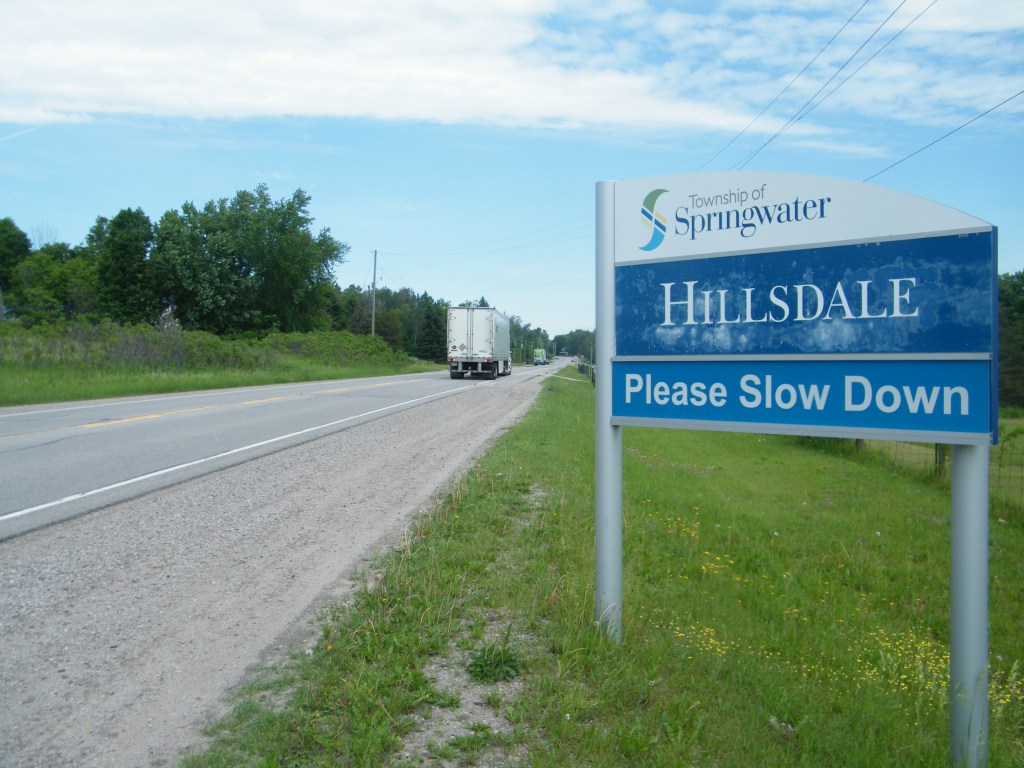
Being a school crossing guard on Provincial Highway 93 in Hillsdale is definitely not for the faint of heart. This spring particularly, I have really wrestled whether I will return to my post in the fall. Or not return. With each passing year, the highway is getting busier, and it seems drivers are becoming more distracted, more impatient and more aggressive. Plus there has been personal non-traffic things weighing heavily on my heart.
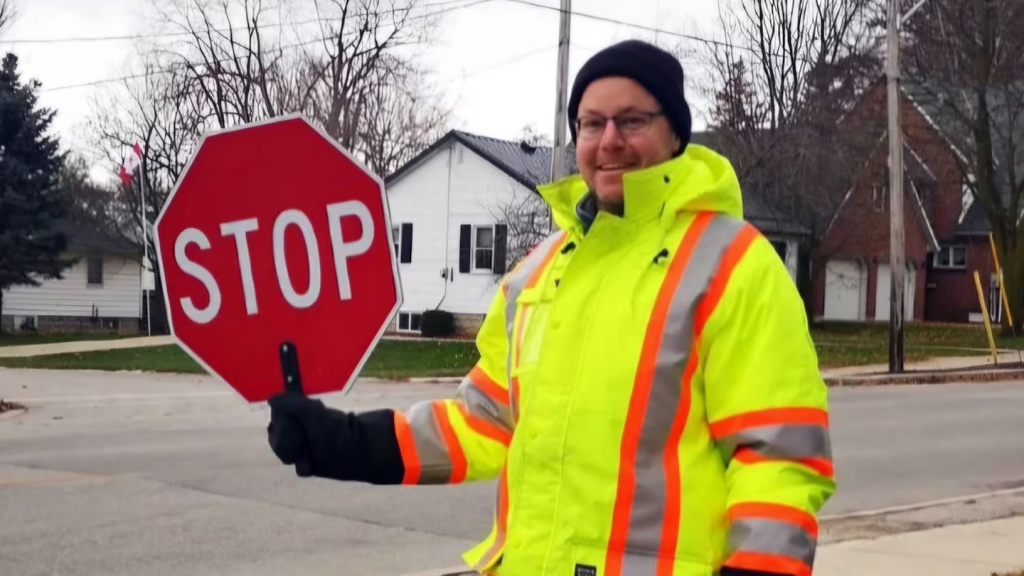
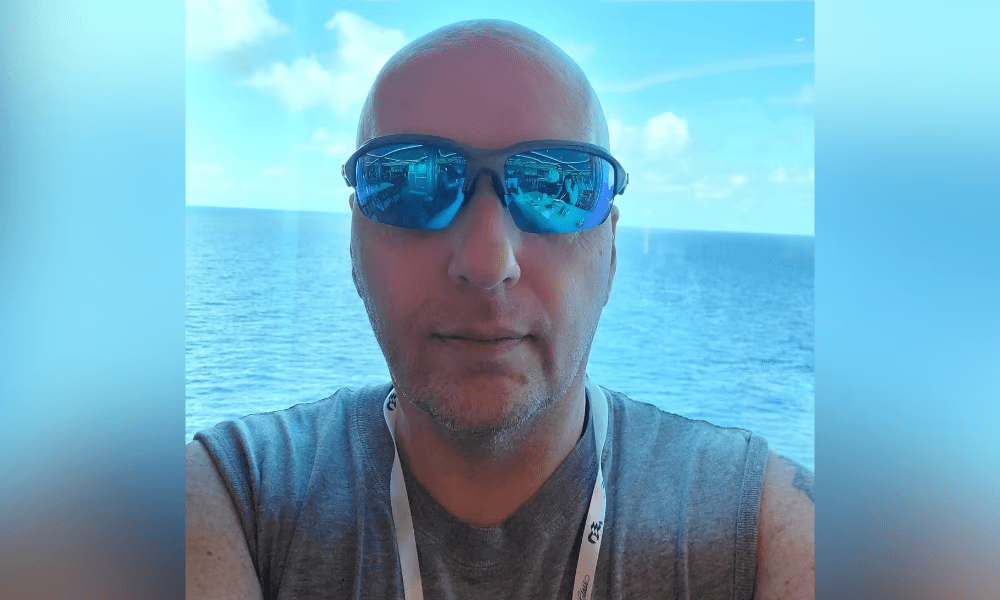
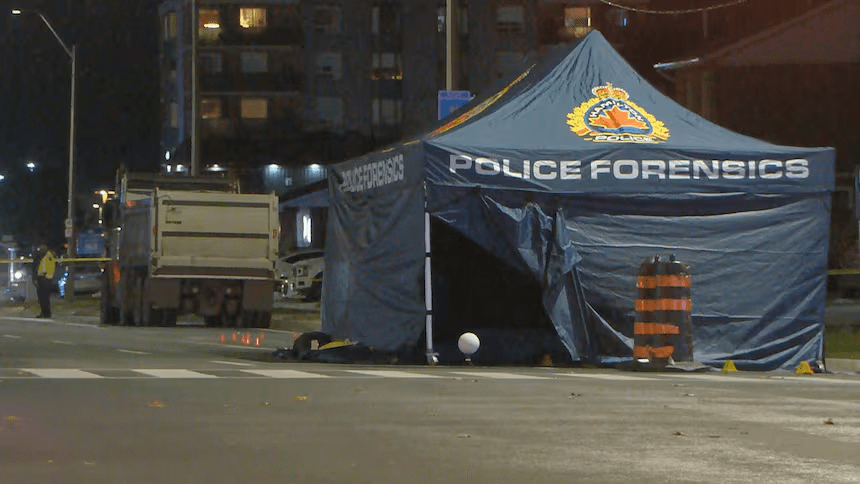
The thought of being hit while on the job by a distracted and/or aggressive driver often goes through my mind. I do take every precaution to keep the precious children entrusted to me and myself safe. But when 55 year old school crossing guard Peter Clark was killed after being struck by a reckless hit-and-run pickup driver while on the job keeping children safe as a crossing guard in Barrhaven (Ottawa), it hit me like a ton of bricks. It shook me up so badly. This was the 2nd school crossing guard killed in Southern Ontario in four and a half months. The following weeks I struggled to get up to the highway for my crossing guard duty. I knew those deaths could so easily have been myself. Even though I didn’t know Peter Clark personally, I was mourning his death, and hurting for his family who were grieving their devastating loss. I was even looking into the possibility of taking the train to Ottawa to attend his funeral to show my support to family and friends of Mr. Clark.
When I was researching for this article, I found it extremely distressing that there is no system in place to track how many school crossing guards are killed or injured by drivers each year in Canada. Also nothing in Ontario. A Winnipeg Free Press article titled “Crossing Guards Face Life Threatening Dangers on the Job” mentions, “Local police accident reports often have no code to distinguish between school crossing guards and other pedestrians hit near schools.” Which means a crossing guard struck by a driver of a motor vehicle is simply entered as a PMVC, an acronym for pedestrian-motor vehicle collision. I try to not say the words, “I’m just a crossing guard”. But with the lack of tracking on crossing guard deaths and injuries, it sure feels that way. So I then went to look whether the United States has any tracking system in place. Nationwide they don’t. Only two states mandate that law enforcement track and report all on the job crossing guard deaths and injuries involving drivers of vehicles. They are New Jersey and Massachusetts.
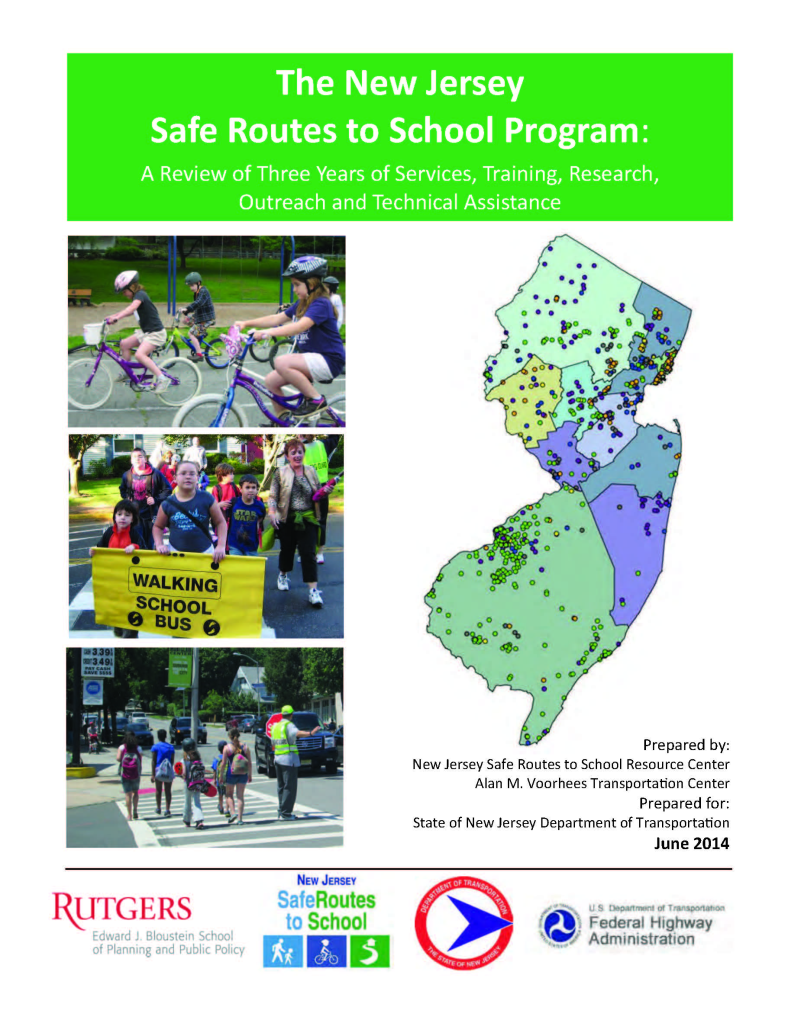
New Jersey has a population of 9.5 million, compared to Southern Ontario which has approximately 13.5 million people. As quoted from the very recent article “3 Crossing Guards Killed in 3 Years. How a Nice Job for Retirees Became Frighteningly Dangerous” from nj.com, “From 1993 through May of this year (2026), 19 New Jersey crossing guards lost their lives shepherding children to and from school after being hit by drivers who either ignored or were oblivious to their directions to come to a stop. Overall, more than 390 other crossing guards were injured on the job as a result of motor vehicle “accidents” during the same period, according to the state Department of Health.” Nineteen crossing guard deaths in 33 years for only one state with a population of 30% less than Southern Ontario. I shudder what the number of crossing guard deaths there would be if they did track the crossing guard deaths and injuries over 50 states and 10 Canadian provinces. With much better tracking of school crossing guard deaths and injuries in New Jersey, they now have a very comprehensive system in place called The New Jersey Safe Routes to School Program. Supported by the New Jersey Department of Transportation, it is a “statewide initiative with a mission to partner with schools and communities to prioritize and implement opportunities for people to walk, bike, or travel by other wheeled devices. By focusing on improvements to support active travel by youth, they believe they can create conditions that are safe, healthy, equitable, and appealing for all.” New Jersey Safe Routes even has a focus group called “Voices from the Crosswalk” that offers resources and ongoing support for their crossing guards.
In Ontario, there is no information available anywhere on the number of crossing guard deaths and injuries. Our dear police have an honour roll for those who have died in the line of duty. As well as firefighters and correctional officers. I have friends who work in each of these occupations and I have so much respect for the work they do. They face enormous dangers each day on the job.
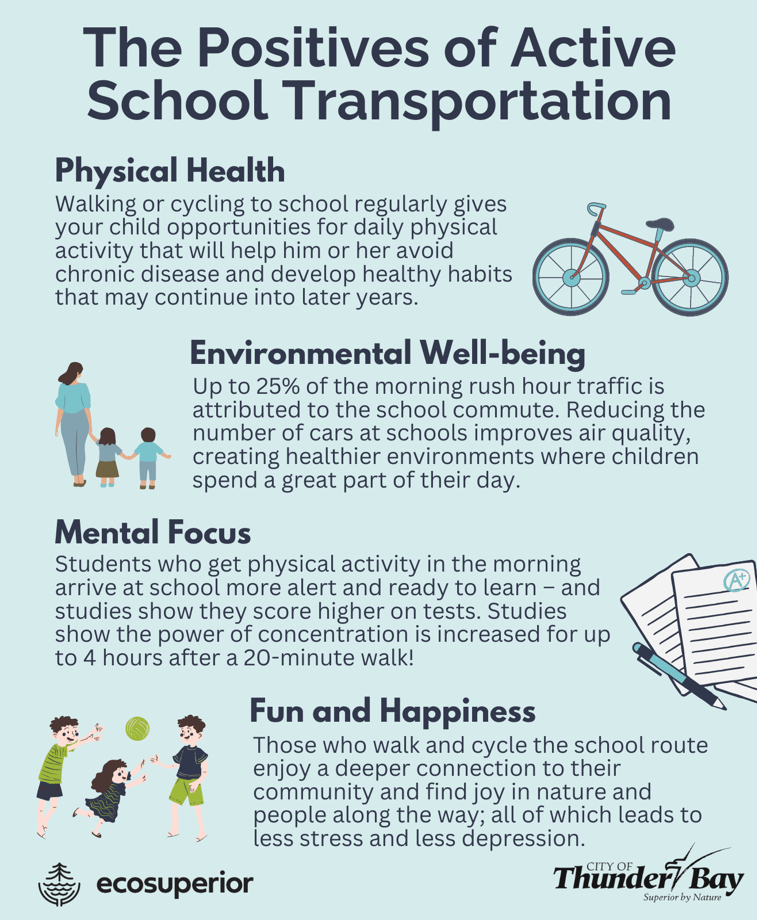
I’m sure the lack of a system to track injuries and deaths of crossing guards has hampered efforts to develop better safety measures or even assess just how dangerous the job of a crossing guard is. I could not find the information for Canada, but in the United States under the U.S. Bureau of Labor, school crossing guards are included in a job category with road construction flaggers. The agency does not publish a fatality rate for it. AP calculated its own fatality rates for nearly 200 job classifications with at least 10,000 workers and 10 deaths in 2023 (the most recent year of available records). Crossing guards and flaggers were in the top fifth of deadliest jobs, the AP’s analysis found. Which is on par with power line installers and air transportation workers. It’s the only occupation in that top fifth that interacts with children daily.
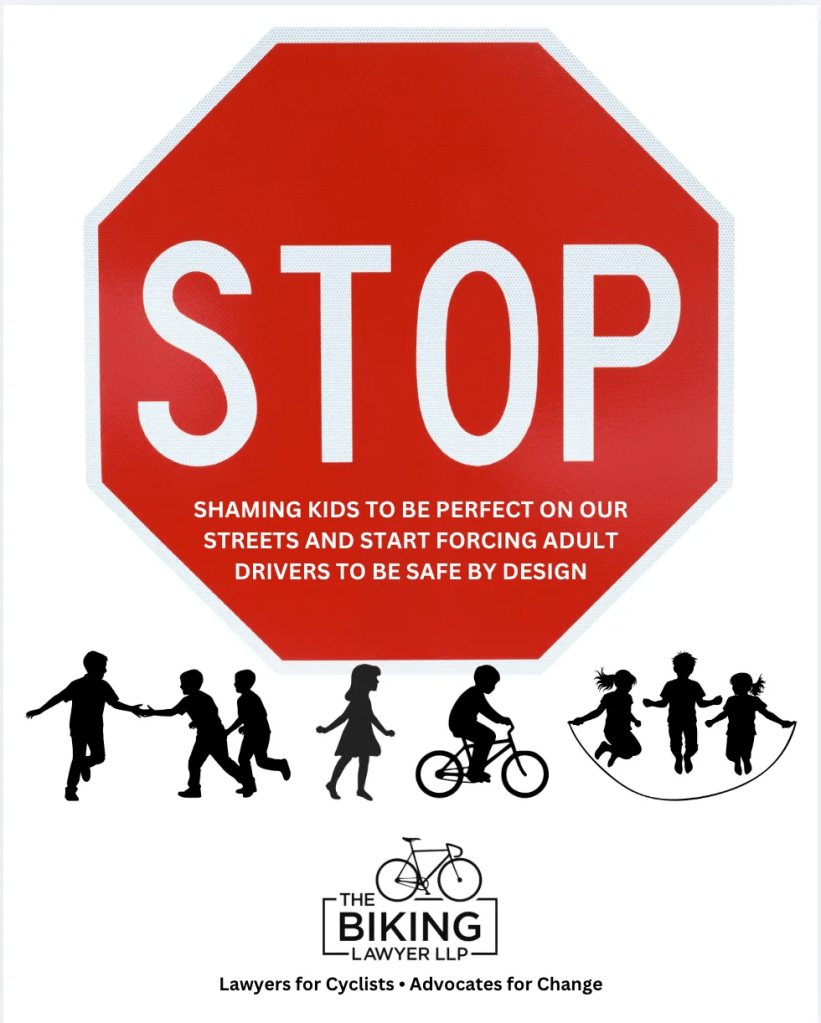
At my crosswalk, aside from most drivers going 10-15kph over the 50 kph speed limit, openly aggressive and/or blatantly distracted drivers are a minority. However they are a very dangerous minority, some of which I usually encounter each week. With as many as 1,000 drivers passing through my crosswalk each hour shift, all it takes is one to devastate a life and a family. At almost 68, I work hard to keep fit both physically and mentally for the demands of the job. The safety of the children is always my number one priority. The children mean the world to me. They are always so polite, kind and respectful. They are extremely diligent to follow safety protocol and will not step onto the highway until they hear that important second whistle indicating it is safe to cross. They are the reason why I get out of bed every morning. I look forward to seeing the children so much each day at the Highway 93 crosswalk.
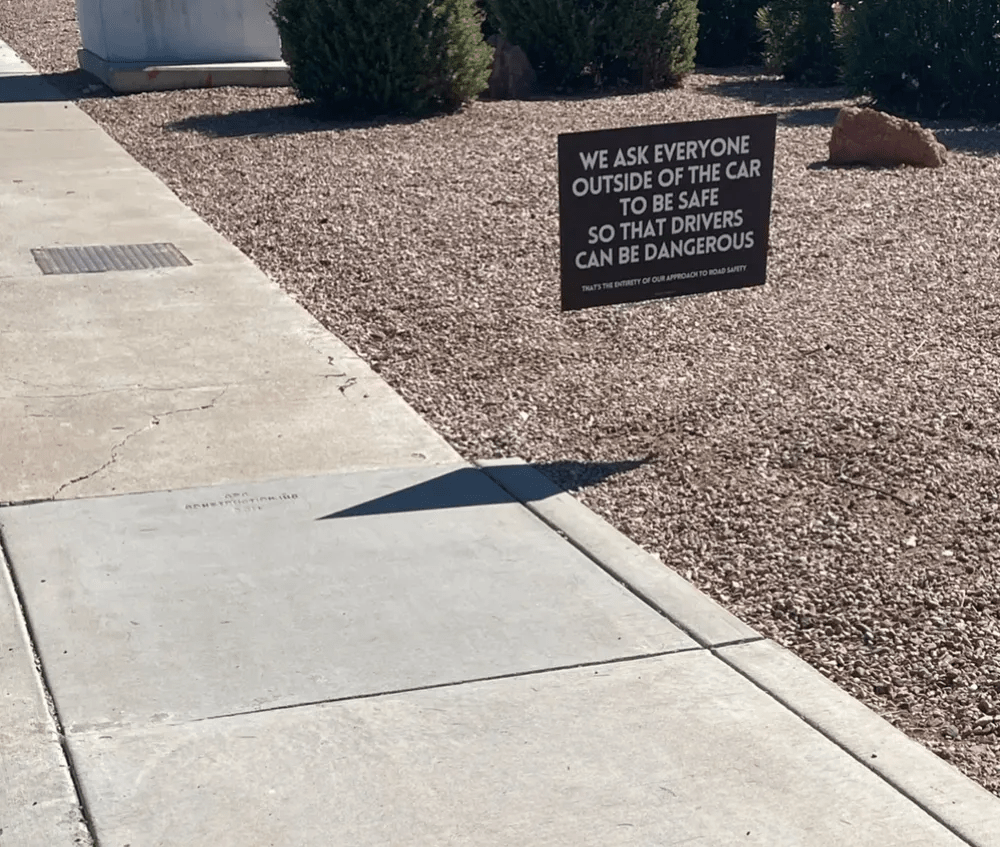
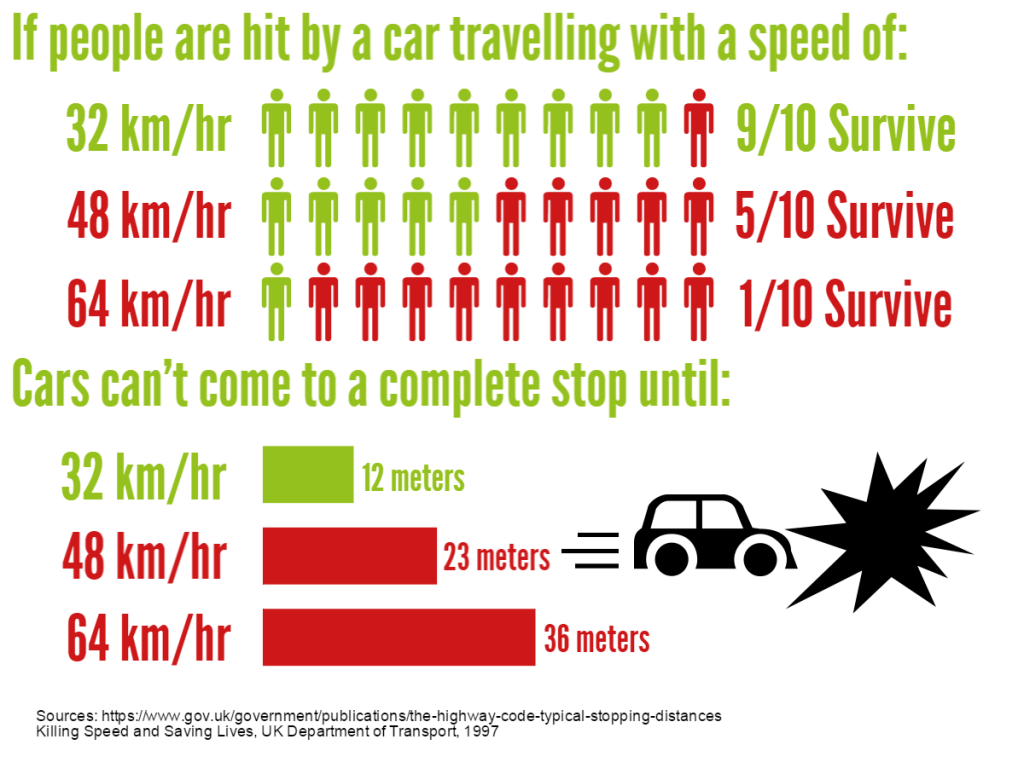
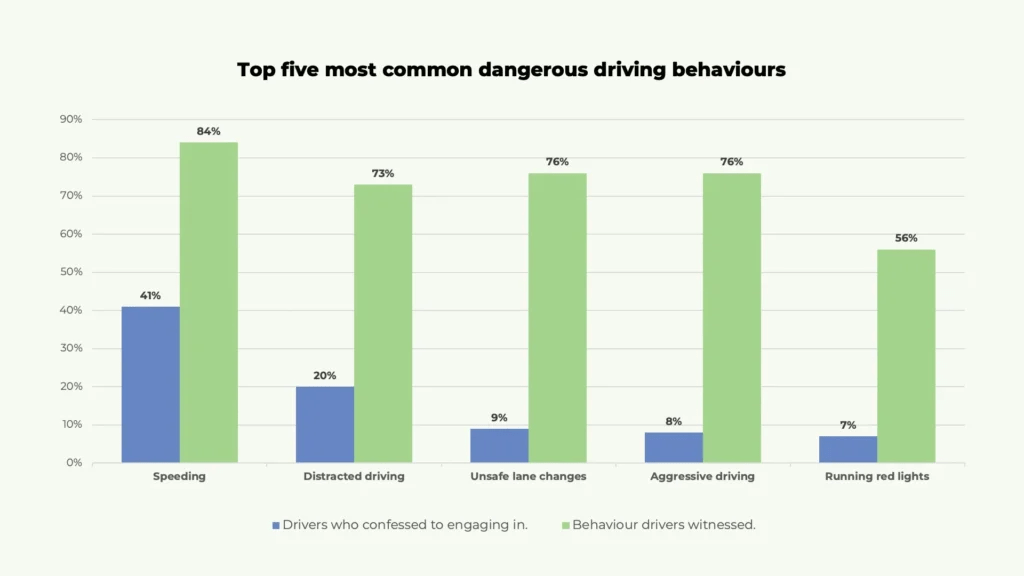
Driving is a privilege. It is not an entitlement. In a perfect world drivers would treat crossing guard safety as seriously as the safety of the children they protect. Sadly, it is not a perfect world. When the speed limit through Hillsdale says Maximum 50kph, it means the maximum you travel through Hillsdale is 50 kilometers per hour. Not 60kph. Not 70kph. Not 80kph. Not 90kph or more. Speed kills. At those kinds of speeds it is an extremely vulnerable feeling for me to stand in the middle of the highway and desperately try to get a drivers attention to stop for the red light. From the website Road Safety Observatory, “Excessive or inappropriate speed contributes to about one third of all fatal crashes. The level of exhaust emissions, fuel consumption and noise increase with speed. Speed effects the quality of life of nearby residents, especially the safe mobility of Vulnerable Road Users.”
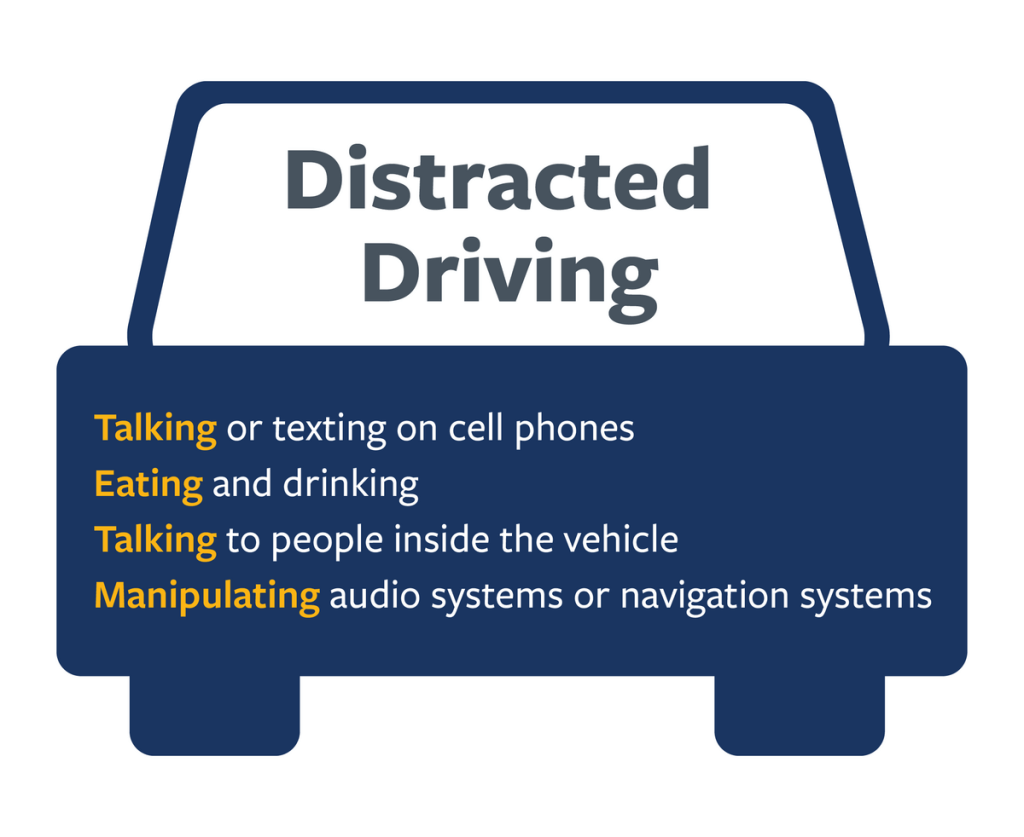
Texting and driving, checking your cell phone while driving is an extremely dangerous mix. It is under an umbrella that is called distracted driving. As crossing guard, it is incredibly disturbing to see a number of drivers using handheld devices each day. If a driver is involved in a collision where someone is killed or seriously injured, investigators will not simply look at the damage to the vehicles. They will examine the evidence and that includes your mobile phone. Distracted driving kills. No message is worth a life. No notification is worth carrying the weight of knowing that a moment of distraction changed someone else’s future forever. Put the phone away. Please. The Transport Canada’s National Collision Database has distracted driving contributing to an estimated 22.5% of fatal collisions and 25.5% of serious injury collisions in 2021. These were all preventable. Texting is uniquely dangerous because it combines all three categories of driver distraction at once. Science Insights define these as visual (eyes off the road), manual (hands off the wheel), and cognitive (mind off driving).
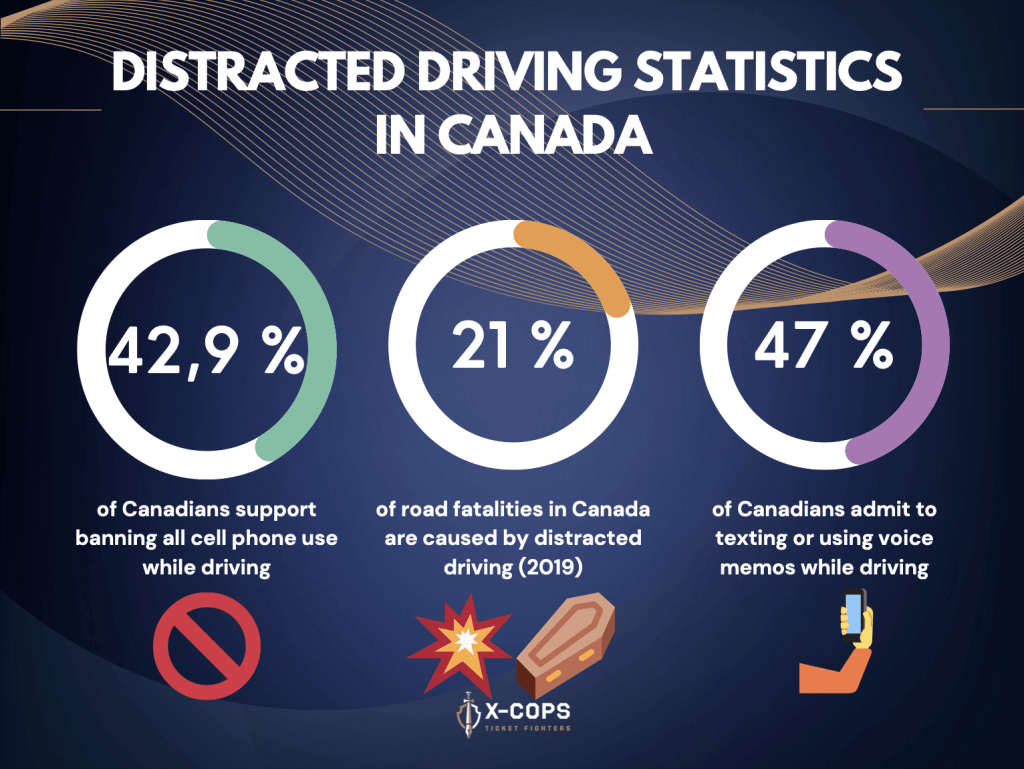
Texting and driving can also be covered under Careless Driving, which is also related under the Ontario Highway Traffic Act Section 103(1). It is a broader term and a more serious offense and means operating a motor vehicle without paying attention to the driving environment and other people on the road. Which is exactly what texting and driving is. If a driver is convicted of careless driving, they can face fines up to $2,000, demerit points, license suspension, and jail time if they injure someone.
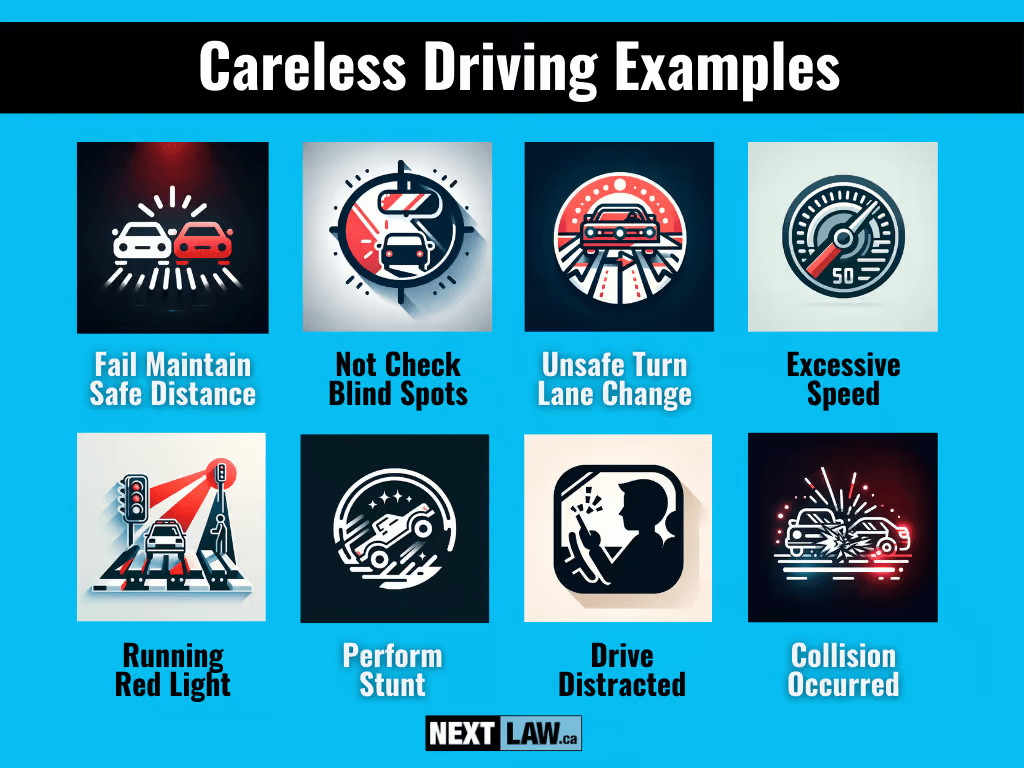
Dangerous Driving is the most serious offence among these three and is classified as a criminal offence under the Criminal Code of Canada Section 320.13(1). Examples of dangerous driving include driving at a very high speed, particularly in areas with heavy traffic, pedestrians or bicyclists. Dangerous driving can include failing to stop at a red light or stop sign. It can be weaving in and out of lanes or driving on the shoulder of the road, or dangerously passing other vehicles (for example, on a curve or hill). Dangerous driving is driving while impaired by drugs or alcohol, and any other risky behaviours that can put your life and others’ in danger. Last fall, Ontario introduced what is known as Andrew’s Law. It was tabled last November 25th in response to the death of Andrew Cristillo, a 35 year old father of three. His three young daughters all suffered lifetime altering injuries. Andrew’s Law is the the toughest dangerous driving penalty in Canadian history. At a glance under Andrew’s Law the new penalties for suspected dangerous driving is a 90 day immediate suspension. Dangerous driving causing death is a lifetime ban on driving. Personally, I feel this new legislation is long, long overdue.
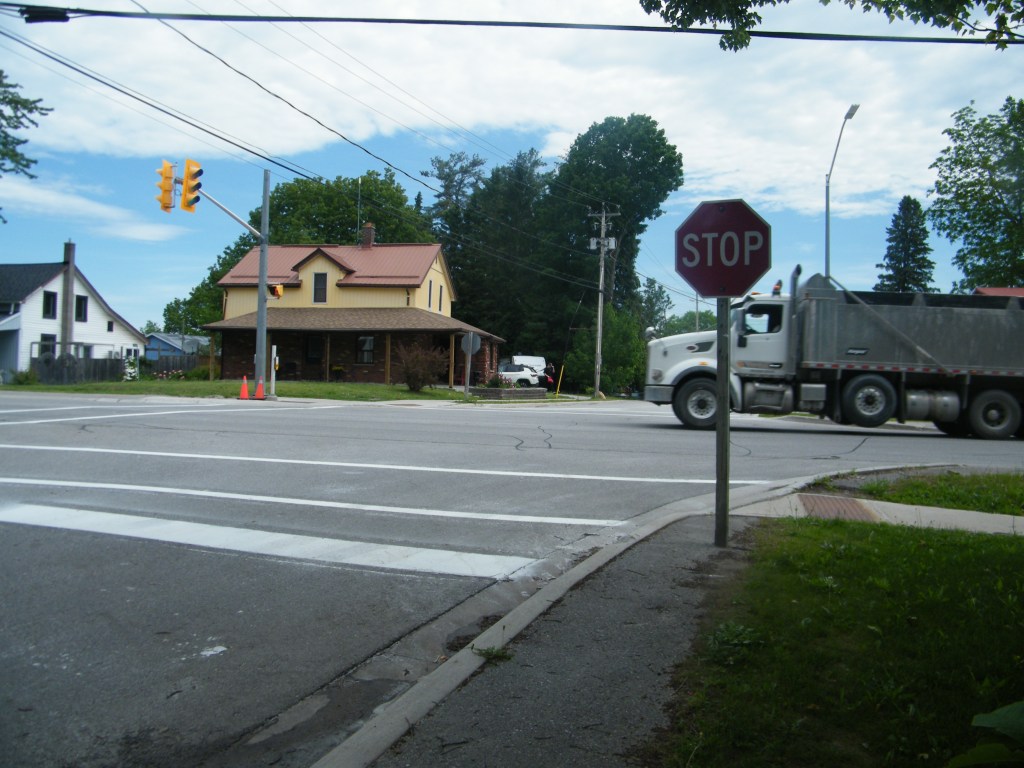
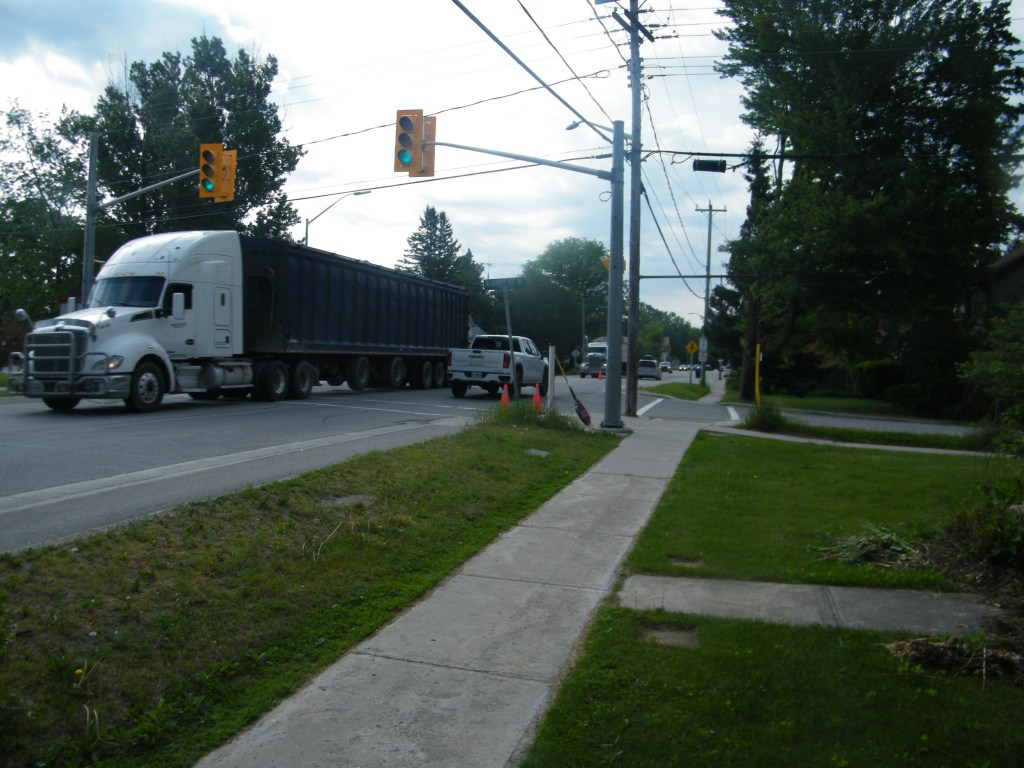
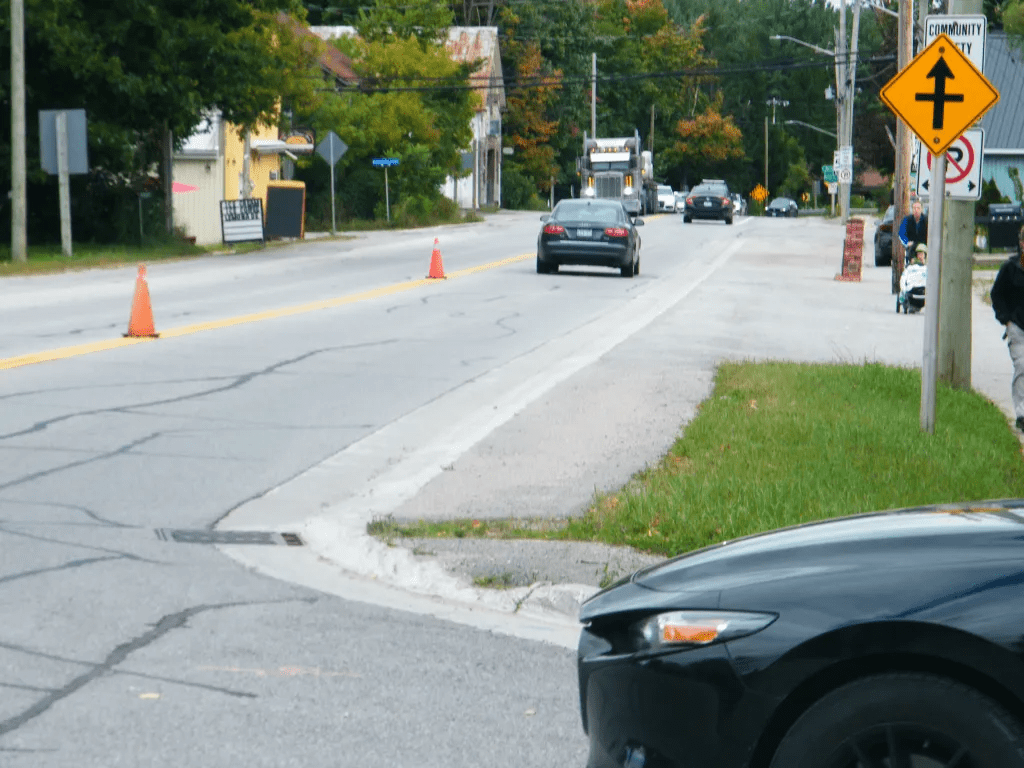
This next section has to do with the drivers of Hillsdale. The photo above is the stop sign at Albert St. West and Highway 93. Merriam-Webster dictionary defines a stop sign as “a sign telling drivers to stop and wait until they can continue safely”. There is a wide strip of white paint (it got a fresh coat of white a few days ago) just before the stop sign to show drivers where to exactly stop to check for pedestrians. As a reminder, pedestrians by the way have the right of way. We learned this years ago in our drivers-ed training. If we wanted to pass our drivers test we would make sure to come to a full and complete stop at the white line. The Highway Traffic Act does not specify an exact number of seconds that you must stop at a stop sign. What it does require is a complete stop, meaning your vehicle must come to a full and complete standstill before you proceed. Most driving instructors and officers consider a complete stop to be approximately 3 seconds. This gives you enough time to bring the vehicle to a full stop and check for pedestrians. If it is clear, then edge forward to check for traffic. If traffic is clear, then proceed safely. A very small percentage of drivers at my crosswalk come to a complete stop as outlined above. The vast majority do not. A stop sign does not mean blowing past the white line and stop sign, while craning your neck to the left and entering the highway on a right turn at 20kph. Totally oblivious that there may be vulnerable children inches away on the edge of the road on the right. I should not have to be running out with my stop sign to physically stop a driver who has no intention of stopping for the fixed stop sign when there is vulnerable children right there. It is plain common sense. Drivers of Hillsdale should know that during before and after school hours our precious children are on the move. The Reverse Onus rule under the Highway Traffic Act Section 193 in layman’s terms says that “when a vulnerable road user such as a pedestrian or cyclist is hit by a driver, the driver is automatically considered at fault unless they can prove otherwise.” This provision, legislated in the Highway Traffic Act in 1990 is designed to protect vulnerable road users and ensure drivers are held accountable for their actions on the road. Please drive with extra care. Please come to a full stop at our stop signs.
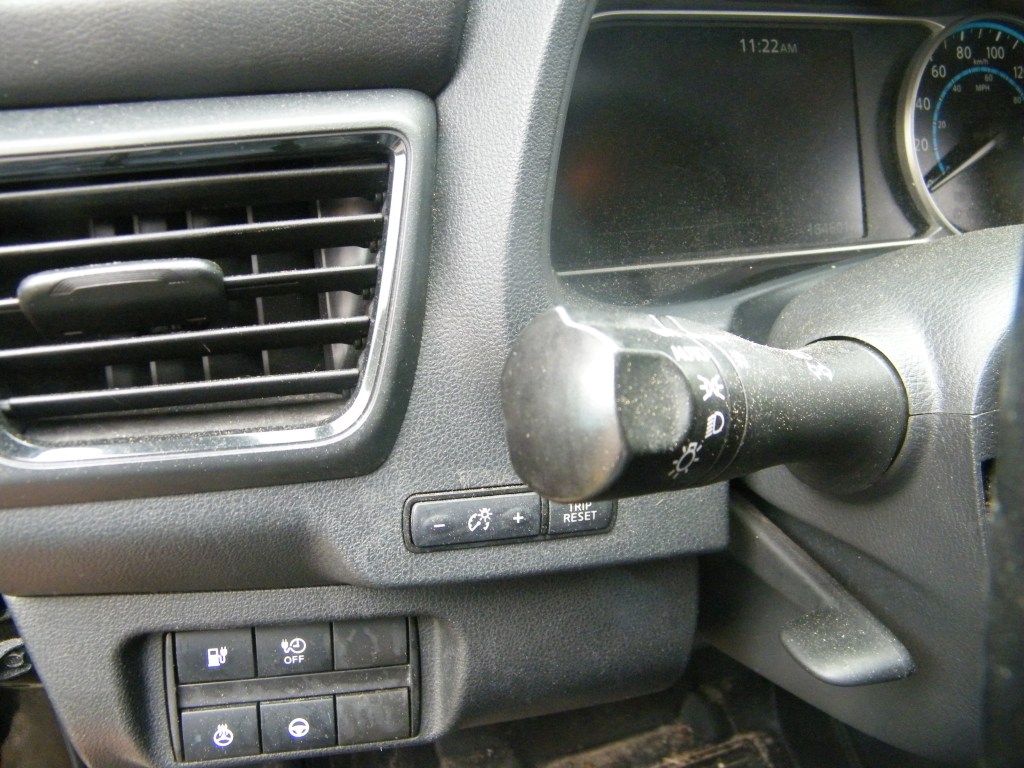
On the photo above attached to the steering column is an amazing device called an “indicator”. A turn signal indicator when activated triggers a flashing yellow light outside of your car. It lets all road and sidewalk users outside your vehicle your intentions of which direction you are going. If you are turning either right or left off of Highway 93 onto Albert St east or west, or turning right off of Albert St. East through the crosswalk onto the highway you need to use your turn indicator. Please. I can then make the proper response under the situation to protect the children. I do everything under my power to keep the children safe. But I cannot read minds. Please use your turn signal indicator.
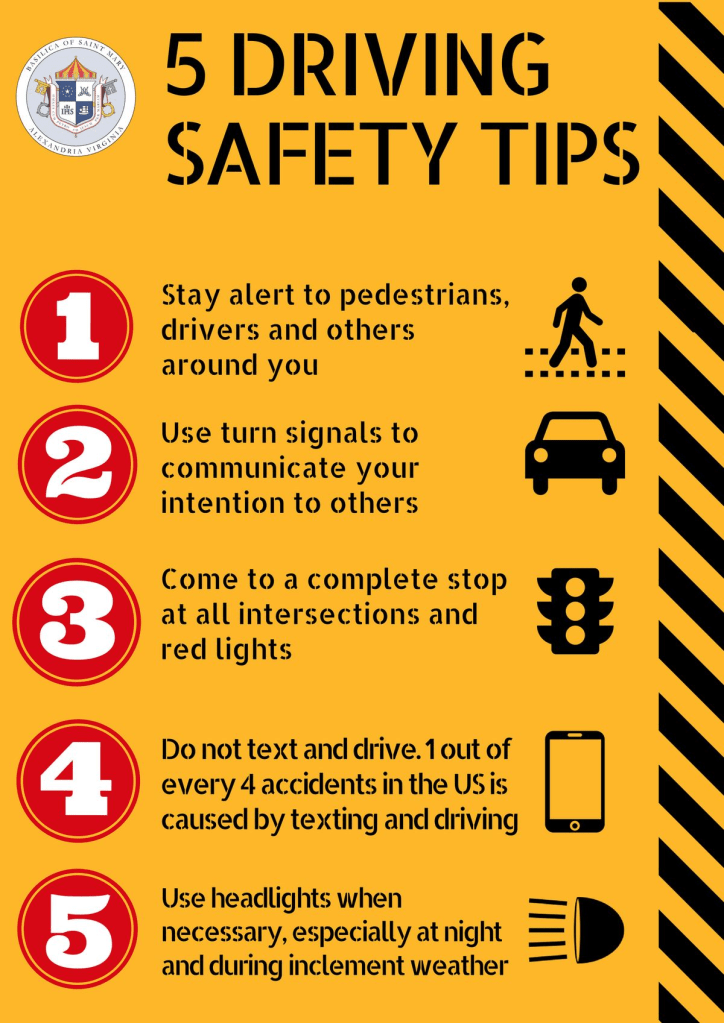
Driving is a privilege. It is not an entitlement. Getting the children who choose to walk and bike to school safely should not rest on the shoulders of one individual. It’s a community effort where we all choose to drive with care. It’s important to drive within the speed limit, come to a full and complete stop at stop signs and stay fully focused on the road. Our roads are shared spaces, and safety starts with each of us. The weather is very nice now, which means more pedestrians, cyclists, and families out enjoying the wonderful outdoors in our community. Not just in school hours, but all hours of the day.
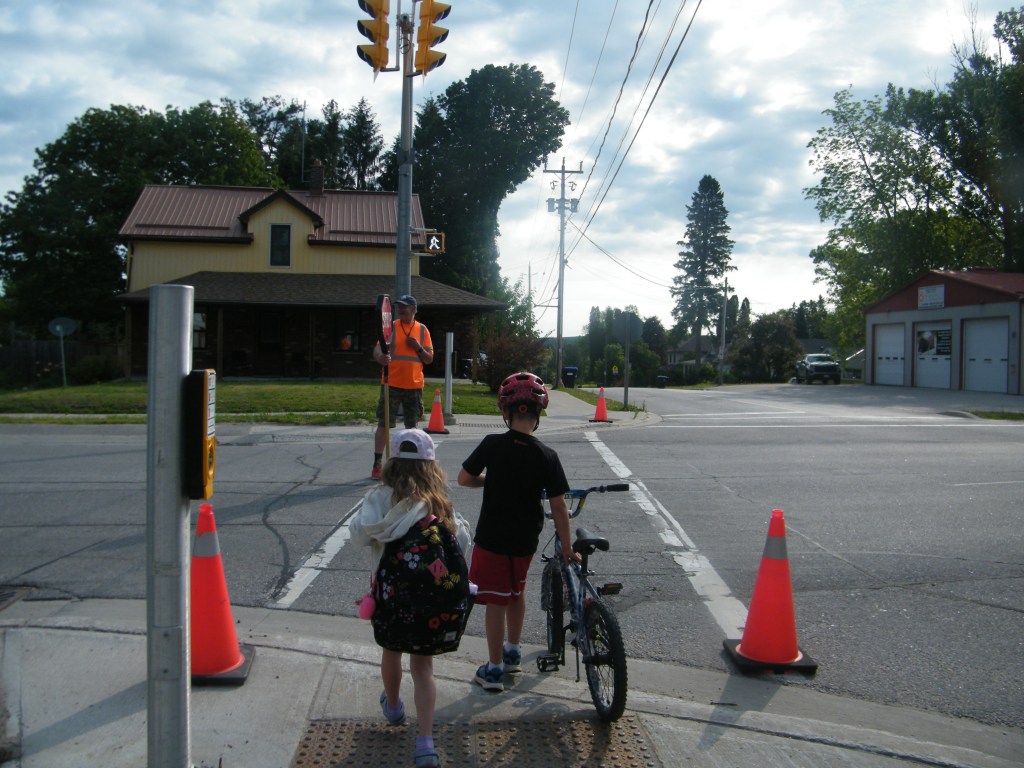
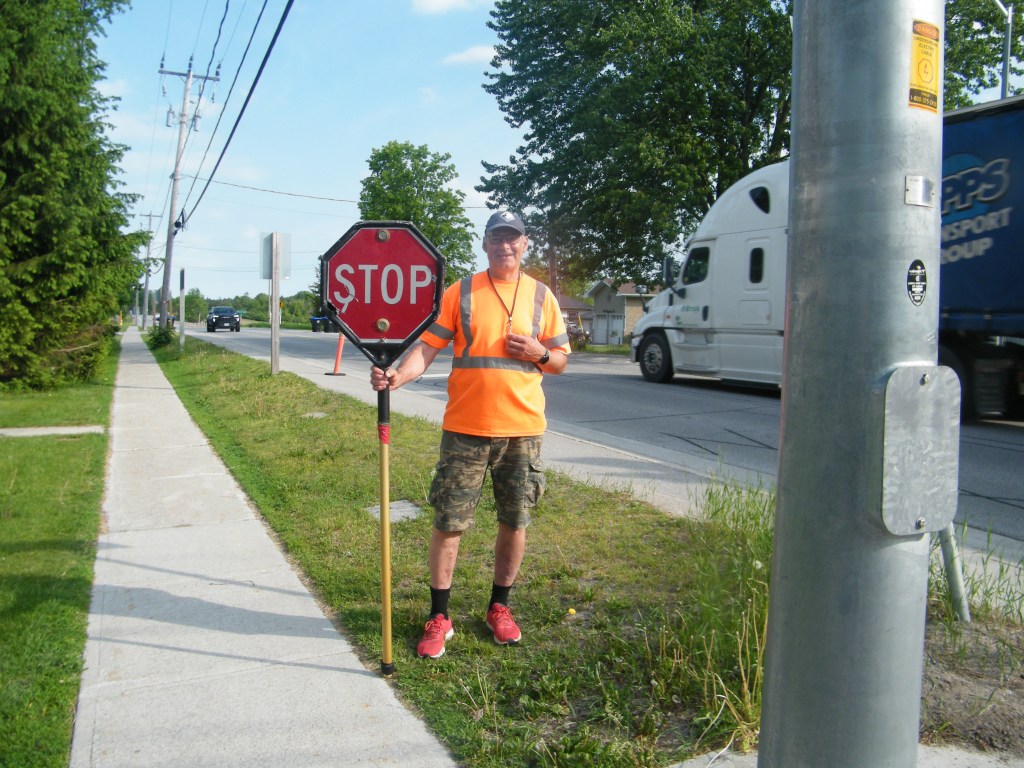
This article was written in memory of Crossing Guard Peter Clark, Crossing Guard Keith Brewster and the many, many other crossing guards killed on the job by drivers, while keeping children safe. Their numbers who were killed while on duty we will never know. Because we have a system that doesn’t even bother to keep track of their losses. May they all rest in peace.



Oh, this is such a sad and yet also such an important article. The statistics and research are eye-opening, but it’s your personal reflections that send the message home, Carl. Reading about the deaths of the other crossing guards, Peter Clark and Keith Brewster, and how deeply that affected you was quite emotional.
I also didn’t realise there is so little tracking of crossing guard injuries and fatalities. How can there be NO statistics?? What a huge gap! That way, we never properly understand the risks of children on their way to school. Or the risks of crossing guards, for that matter!
I love how you describe the rewarding part of being a crossing guard. Them waiting for the second whistle, wishing you a wonderful day, and watching them grow up over the years explains exactly why you keep coming back despite the dangers. They are very lucky to have someone who cares so deeply about their safety.
And your reminder that driving is a privilege, not a right, is one that every driver should read. It’s easy to forget that a moment of impatience or distraction can change lives forever.
I can completely understand why you wrestle with whether to return in the autumn. Whatever decision you make, Carl, it’s clear that you have already made an enormous difference in the lives of countless children and families in Hillsdale. ❤️
LikeLiked by 1 person
Thank you so much for reading and for your generous comment, Catrina. I often read articles on the Netherlands, France, Germany, Finland, Denmark and other Western European countries like your country of Switzerland and am so in awe of how much safer it is for vulnerable road users. Simply because transportation planners chose to make it happen. Why do these roads here have to be so hostile and dangerous for anyone outside a car. It does really baffle me that there is no data on crossing guard deaths and injuries here in Ontario. I literally spent hours just to come up with a number. But nothing. There were a few sources that did say there was no data and are just listed as a Pedestrian Motor Vehicle Collision.
People from Canada who have visited Western Europe are amazed how people walk everywhere. Because it is so much safer. I dream that one day it would happen here. Thank you, Catrina. ❤️
LikeLiked by 2 people
Bravo, bravo, Carl. Your sobering article raises many concerns.
LikeLiked by 2 people
So wonderful to have you stop by, Harold. Thank you for taking the time to read, for your comment and for subscribing to the blog. Always wonderful to see you and Laurie at the crosswalk when you come down from the island. 🙏
LikeLike
Hats off to you, Carl. This is so important. One fellow blogger was a former crossing guard, and his stories are upbeat. Sometimes a little positive helps.
S’amusing is his blog post, and I hope you find his crossing guard stories as remarkable as I did.
LikeLiked by 2 people
Thank you, Jennie. Though I am not quite sure how to go about making it upbeat on the killing of crossing guards by careless and dangerous drivers. I know the article is quite heavy, and with all due respect I have written lots of articles on a wide variety of topics that are fun, positive and upbeat. My crosswalk is extremely dangerous, it is on a major highway. Just last Sunday there was another fatality on the same highway, less than a kilometer from my crosswalk. So I have written the tone on this article to be as sobering as I intended. Thank you for taking the time to read and comment. Have a great day.☺️ 🙏🚸
LikeLiked by 2 people
Hi Carl. You wrote it exactly as it needed to be written. This was not meant to be a happy, upbeat post, and you said it well. I only wanted to share a fellow crossing guard blogger, with very educational and upbeat stories. Your crosswalk is scary and sobering. If I were in your shoes, I’d be writing the same post. Best to you, Carl.
LikeLiked by 2 people
Thank you, Jennie. I fully misinterpreted your original message. I was thinking that you were suggesting my writing for my crossing guard article should be more upbeat like Steve’s on the S’amusing blog. I am sincerely sorry. Thank you for clearing this up. Steve’s posts are indeed refreshing to read. I scrolled down and found one of his crossing guard articles called The “Yellow Jackets”. I definitely can identify with his latest article on misunderstood words on his article “Are You Presbyterian?” Ironically, besides being crossing guard, I am also a lay Presbyterian pastor. Have a wonderful day, Jennie. ☺️
LikeLiked by 1 person
Thanks so much, Carl, and no worries. I thought you would enjoy a fellow crossing guard’s posts. I remember these! Glad you could relate. All the best.
LikeLiked by 1 person
The title made me think of fifth grade, the one and only school year I was a crossing guard.
LikeLiked by 2 people
Thanks Jim. I remember back in my own elementary school days. Our school was very rural and all the student were picked up on school busses. In Grade 7 and 8 I was a Bus Patroller. At each stop I’d get off and check for traffic to make sure it was clear for the student/student to get on the bus. Never any danger, unlike what I face on my crosswalk these days on a major highway. Thanks for popping in. ☺️🚸
LikeLike
Such a dangerous job and yet such an important one. People in the US drive like crazy also, and it is
really scary!
LikeLiked by 1 person
Thank you for taking the time to read and comment, Valerie. The reckless drivers really seem to be everywhere. 🚸
LikeLiked by 1 person
I am finding it difficult to put my thoughts into words, I am so upset. In my area, the road past the closest two schools is 30 mph and many go 40-45. When I talk about fast driving, some pass it off like I am old and paranoid. These statistics are alarming and higher than I would have imagined
LikeLiked by 1 person
Thank you for sharing from your heart. It really is upsetting. These are our children’s lives at stake. More speed + less time to react = more severe consequences when a pedestrian is it. Higher speeds are more deadly. That is physics. 🙏
LikeLiked by 1 person