Having spent over 20 years in the water well industry, I’ve had great memories of happy customers when we were able to tap into an groundwater aquifer for an adequate supply of water. Because water is a necessity. Water is used for a lot of purposes. Most importantly, drinking water keeps us alive.
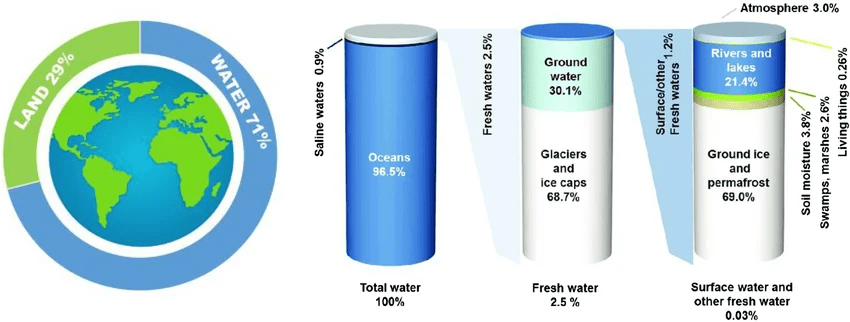
Here in Canada we are blessed with an abundance of fresh water. Three mighty oceans. Nearly 2 million lakes. Over 200,000 km of coastline. Canada is home to 20% of the world’s fresh water. We take it so much for granted. Globally, fresh water is very scarce in certain regions. Water covers about 71% of the earth’s surface. But only a very small amount of the earth’s water is fresh. Much of the earth’s fresh water is unavailable: locked up in glaciers, polar ice caps, atmosphere, and soil; highly polluted; or lies too far under the earth’s surface to be extracted at an affordable cost. To put it to a measurement I can understand more fully, National Geographic has put it in layman’s terms, “If you took all the water in the world and put it in a gallon jug, less than one teaspoon would be available to us. .”
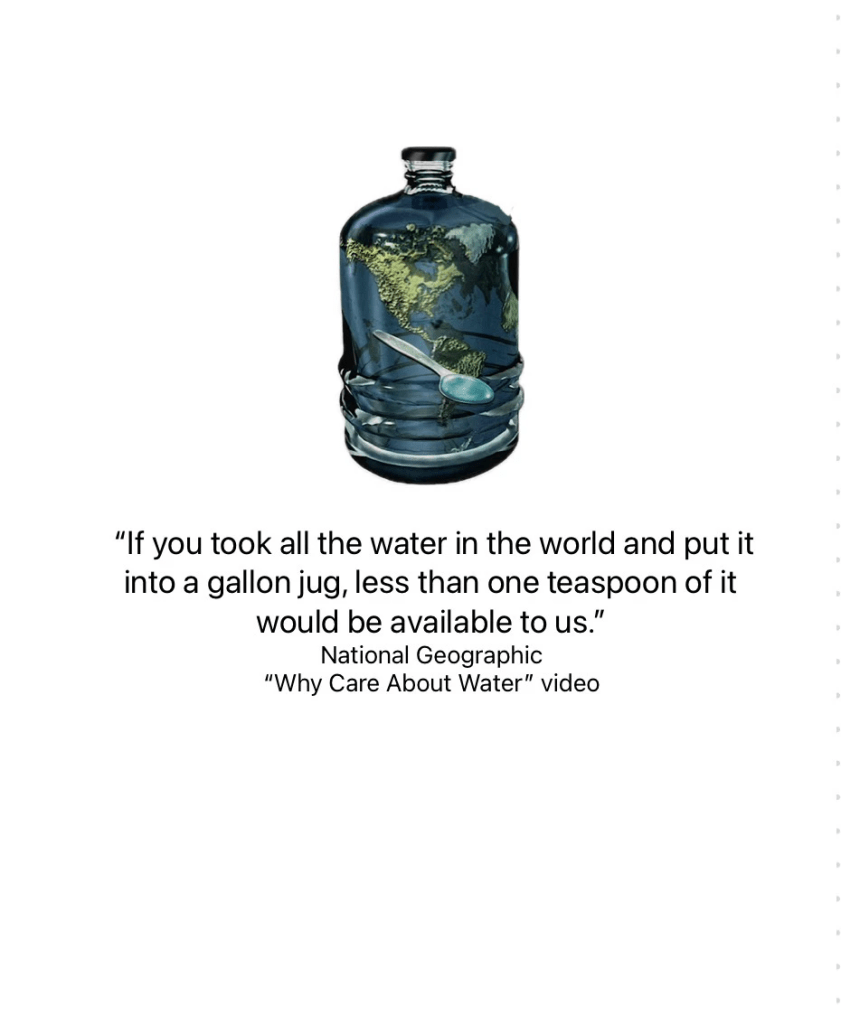
Our available fresh water is similar to the term “a drop in a bucket”. Which means it really needs to be properly managed if generations that come after us will have any future. World Wildlife Fund lists the greatest threats to the world’s fresh water as Pollution, Climate Change and Over-extraction. Giving credit where it is due, I’d like to use these three points. But apply them to my own personal experiences.
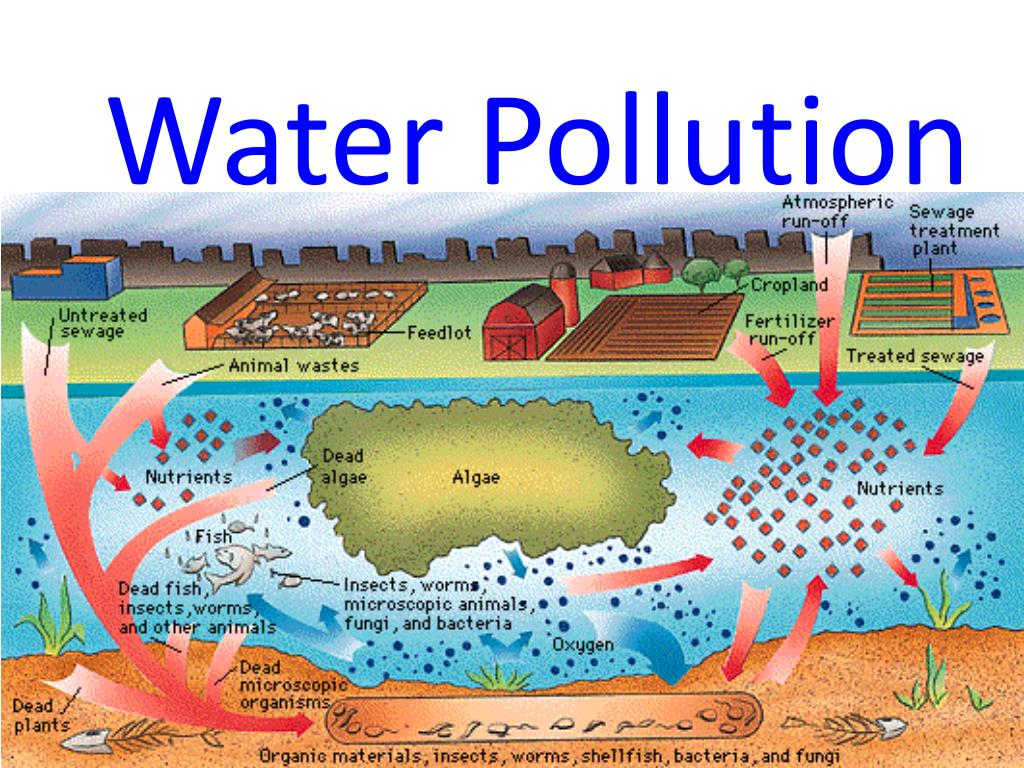
POLLUTION
Gone are the days where you go out hiking and dip your drinking vessel in a lake, river or stream. In my single years and in my early married years when my wife and I backpacked in places like Algonquin Park we never filtered our water. When there looked like there might possibly be a risk of giardia (beaver fever), which is transmitted from wild animals, we simply boiled our water. Most of the time we drank the water unfiltered, untreated and not boiled. We were fine.
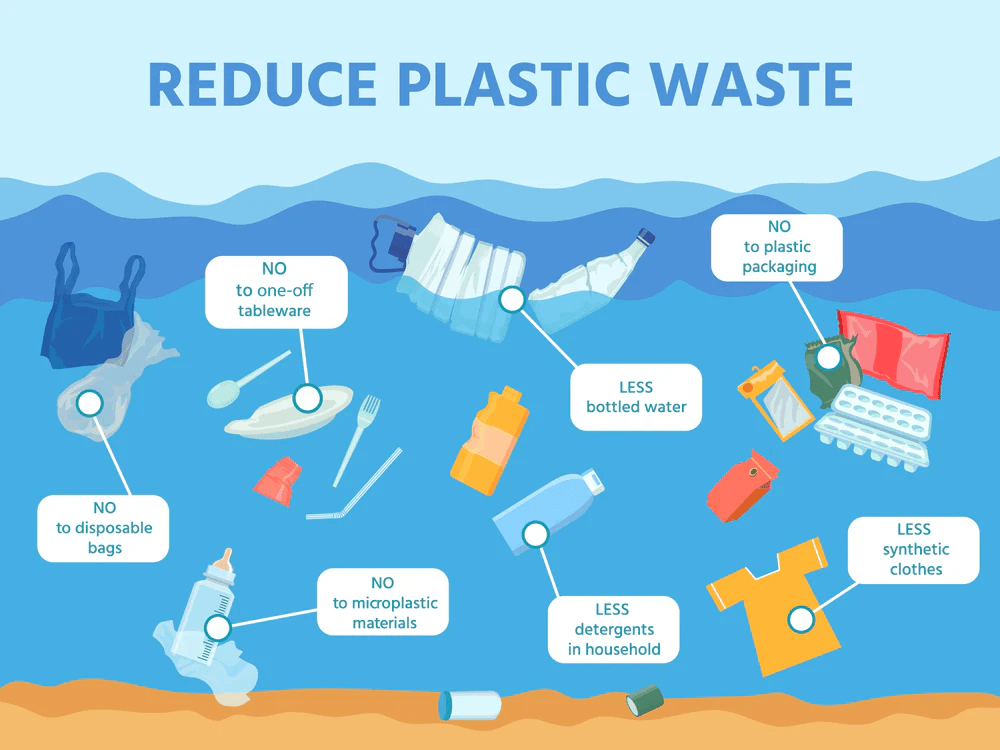
Nowadays, we are drowning in plastic. To the point where even once pristine lakes are filled with toxins from plastic pollution. An exclusive Guardian article reveals that microplastic contamination has been found in tap water in countries around the world. To emphasize, this is water that comes out of our taps. The website Statistica shares “Since the beginning of the mass production of plastics in the 1940s, over nine billion tons have been produced globally.” Each year global plastic production increases. From 2009-2024 there was a compound annual growth rate (CAGR) of 4.8 percent since 2009. Annual global plastic production reached a high of 430.9 million metric tons in 2024. I come home from grocery shopping, and there is so much plastic packaging. An academic article by the National Library of Medicine shares that almost half of the plastic in the world is from the packaging sector. Almost a third of plastic packaging leaks out of collecting and sorting systems where it ends up in soil, lakes and rivers and the ocean. Additionally, plastic degrades into fine nano-sized particles that are harmful to animals and stay in food chains. These microscopic particles of plastic (called micro-plastics), shed by synthetic fabrics, rubber tires, or by plastic bags, bottles, and other goods as they break down, are carried by winds or ocean currents. Micro-plastics are now found even in the places like the Antarctica. We do have recycling in my municipality, but sadly on a wide scale only about 14% of all plastic packaging ends up collected for recycling. According to data from Oceana, Canadians use about 3.4 million tonnes of plastic each year, and 2.9 million tonnes of plastic waste ends up in landfills in Canada.
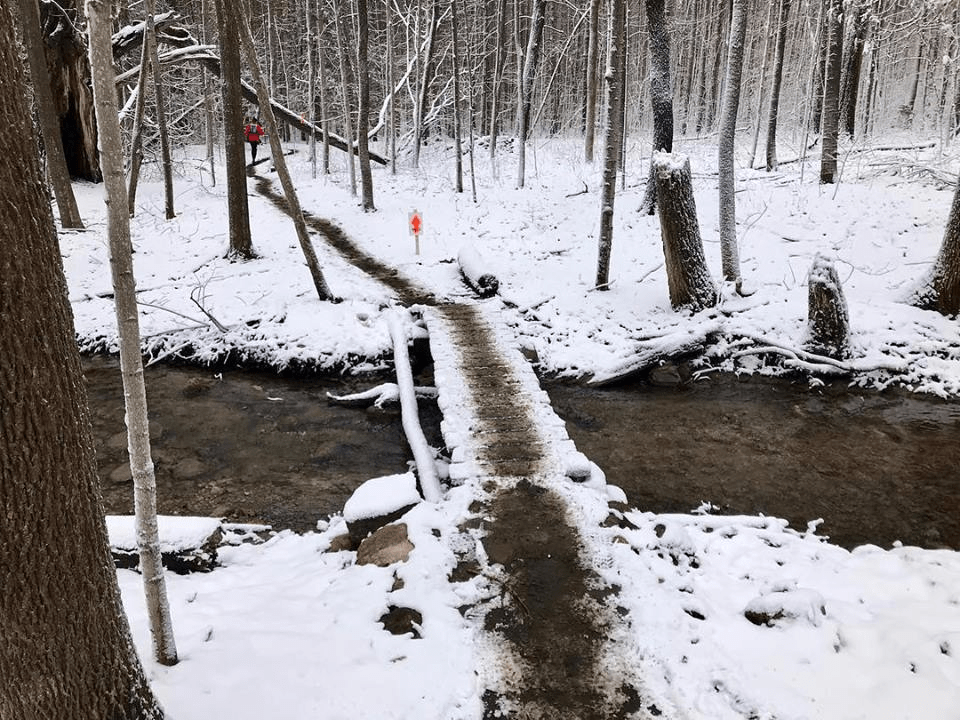
I remember back during Covid, running an unsupported 101 kilometer (63 mile) virtual run for my 63rd birthday. It was on the Simcoe County Loop Trail. My goal was to use public water sources like fountains and water stations in towns along the route. In between I would filter water from streams and rivers. What I didn’t anticipate was that the municipalities had turned off all the public drinking locations because of Covid. The other issue was major rains the night before. The streams and rivers were disgusting looking from industrial, agricultural and road runoff. I was concerned my filter would clog right up. I ended up having to purchase bottled water from stores along the way. Which of course were in single use plastic packaging.
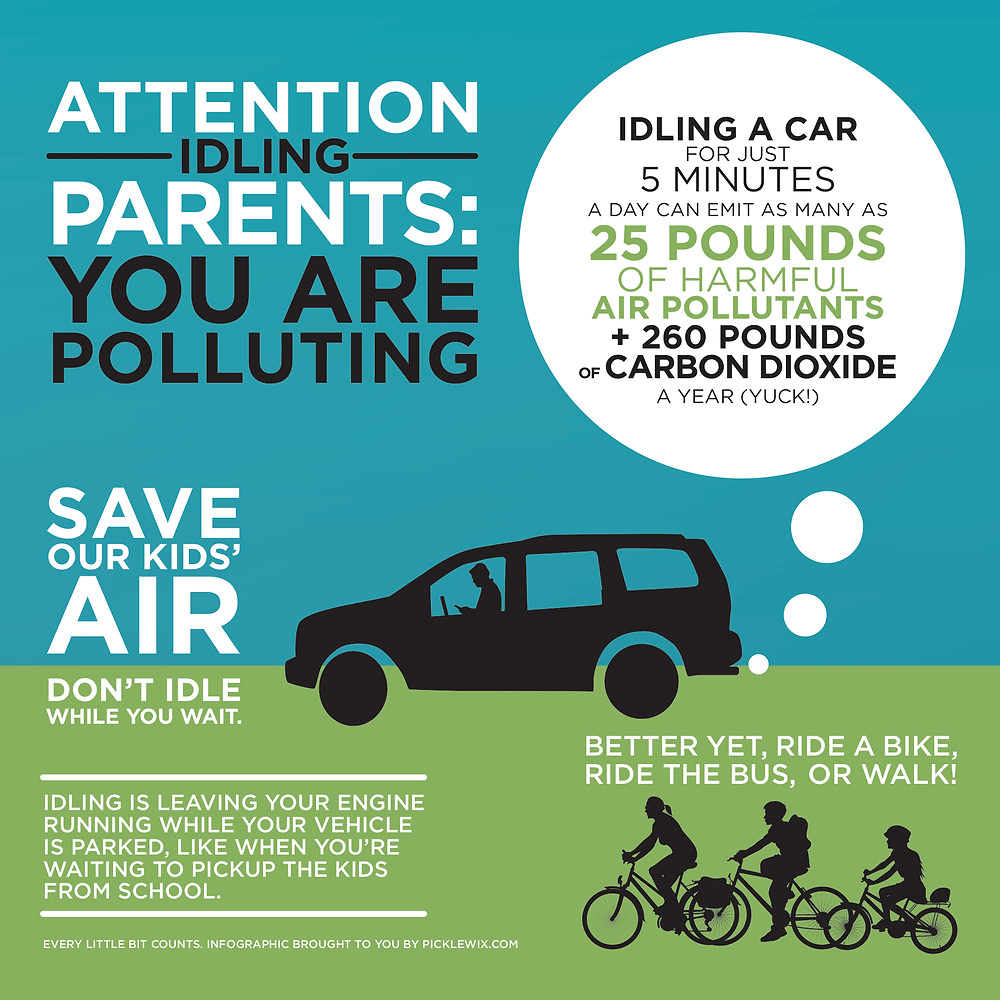
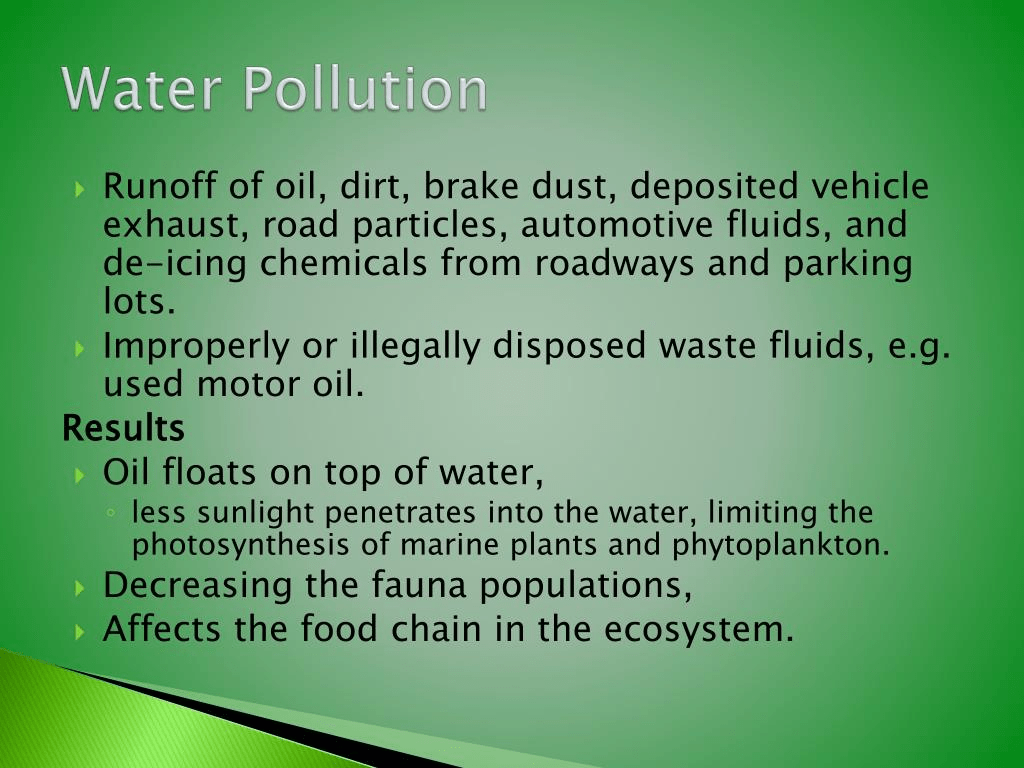
Only this past decade has car tire wear pollution really come under the radar. Tires shred and wear down while gripping the road and stopping. With much of a modern tire now synthetic rubber made from plastic polymers, they wash up as microplastics in our rivers, lakes and oceans. In In 2017, the International Union for Conservation of Nature estimated that 28.3 percent of microplastics in the ocean come from tires, landing them in the top seven contributors.
CLIMATE CHANGE
I’ve written a few climate change themed articles for Earth Day, held on April 22nd. Including this one on our Canadian climate. Our climate is changing. These past few weeks the temperatures have been seeing very erratic temperature swings. March 9th we hit +16C, when normal highs are -2C for that day. While most people are all excited on those days, I have major climate anxiety. And reminds me of a quote be NASA climate scientist Peter Kalmus when he said, “It kills me when people and the media are like “Isn’t this great, it’s summertime in winter” No it’s NOT great, it’s horrifying. It’s like the death rattle of the livable Earth.”
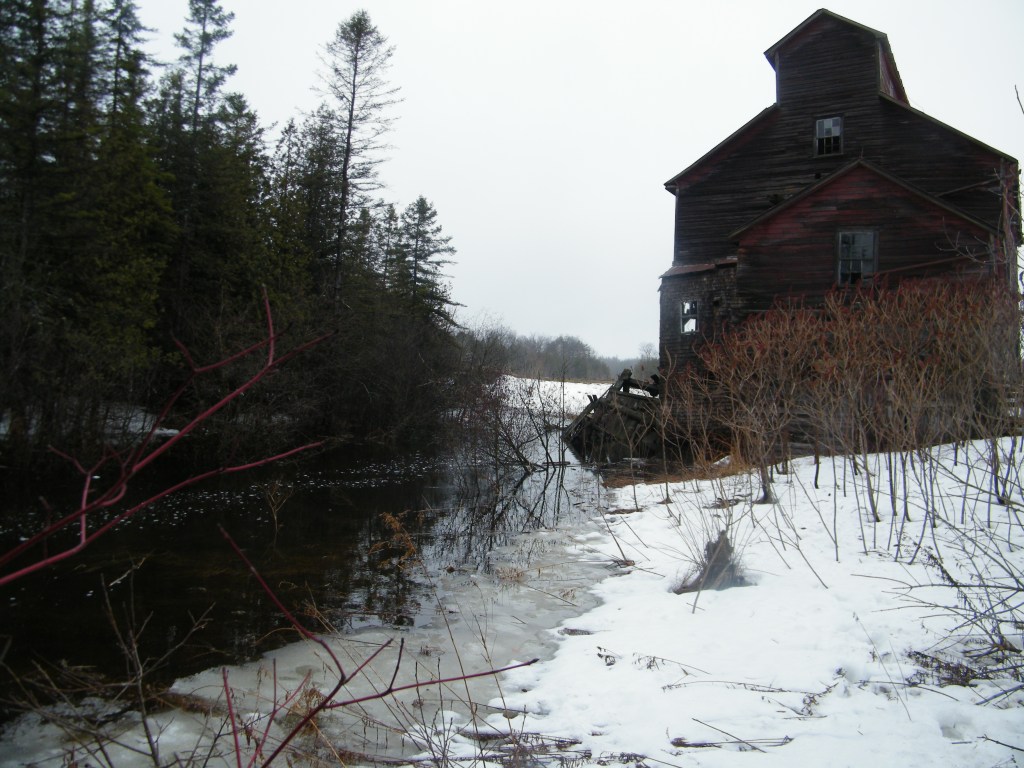
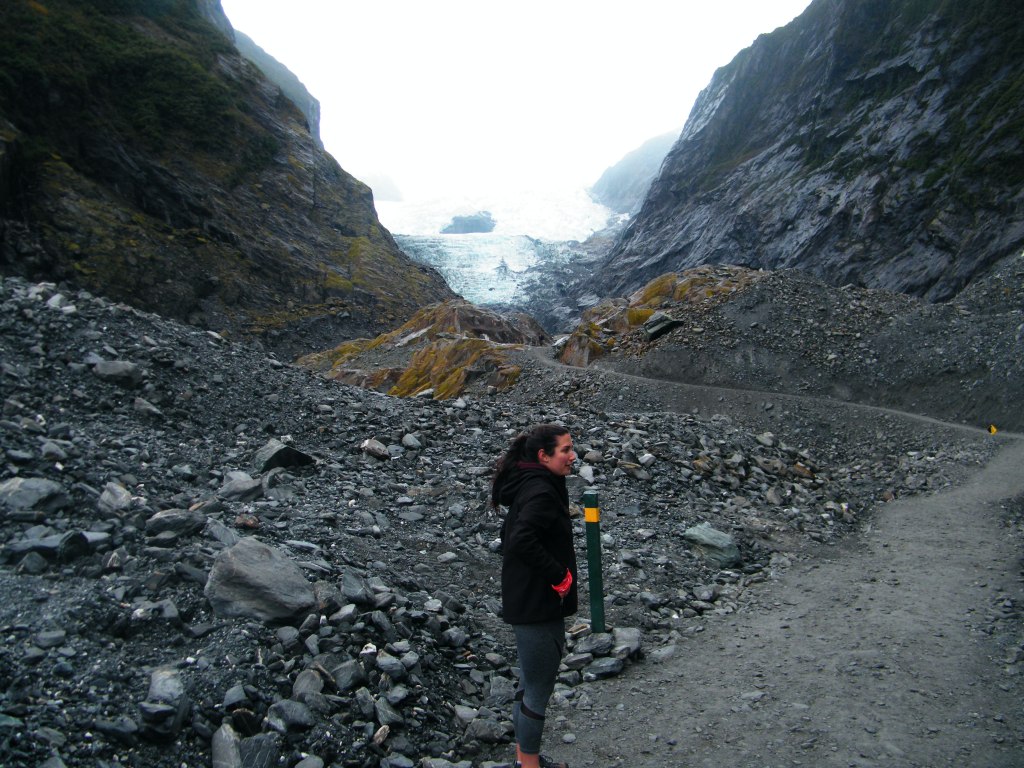
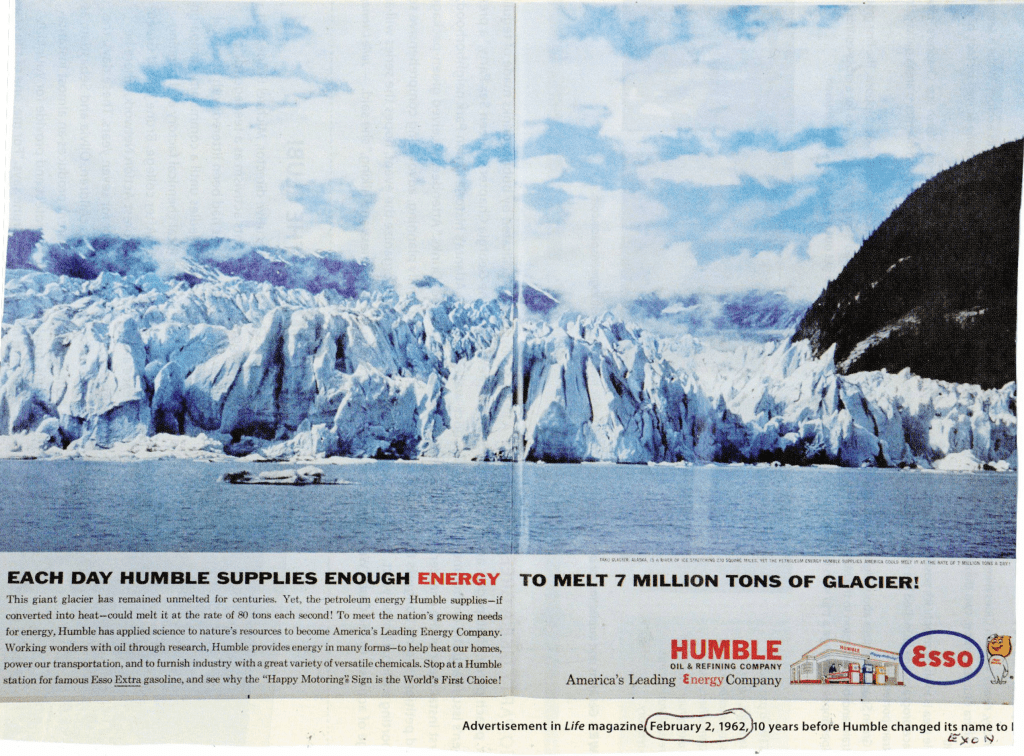
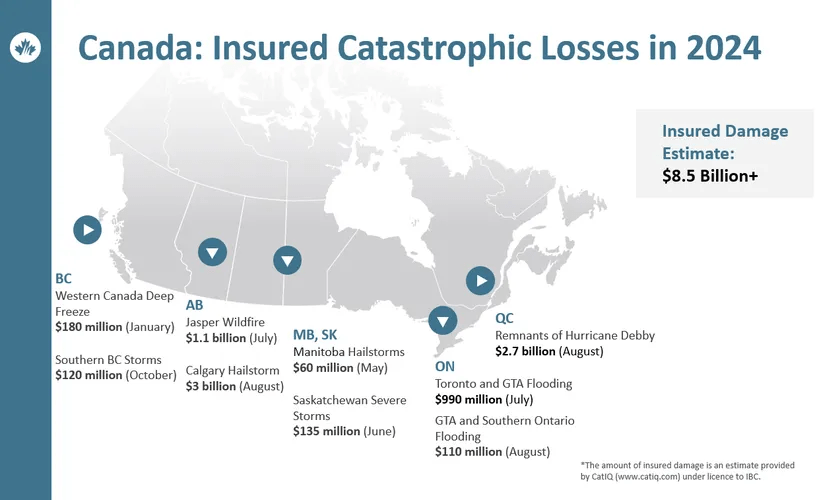
There are many metrics showing that our planet is warming at an alarming rate. I know we have a greater access to news coverage, but it really seems that heatwaves, floods, hurricanes, and droughts are growing more frequent and destructive. What climate researchers now understand is that the same forces warming the planet are also destabilizing the systems that once kept Earth’s weather relatively predictable. Weather related losses in Canada reached an annual all time high in 2024 when 8.5 billion dollars, which was paid out through property insurance. This does include municipal infrastructure losses in things like roads washed out in major weather events. Losses are recouped with this through our taxes.
OVER-EXTRACTION
I worked in the water well drilling industry for around 20 years. I never took a count how many groundwater wells I worked on, but I am estimating it was anywhere from 800 to 1,000. The vast majority were domestic wells, meaning a homeowner having a well drilled for the family to have water for household needs. There was also larger commercial wells drilled. They include water needs for cities, towns and municipalities, agriculture irrigation, golf course irrigation, bottled water companies, wells to check groundwater plume contamination in landfills as well as different projects in the mining industry. I could not pick and choose when a project goes against my conscience. I needed to provide for my family. But I tried to be conscious that my part had a low as possible damage to the environment.

In the commercial projects, we worked with a hydrogeologist. After the well was completed, a pump test took place which included water level readings from nearby Piezometers and how much the water level was dropping. Then after the pump was shut off, how quickly was the water levels recovering. A rating was then determined of how much water could be pumped without over-extracting. The problem is this is ungoverned and extremely difficult to monitor. In water stressed localities water wells are being seriously over-pumped and the aquifers in many parts of the world are quickly dropping. An excellent article that delves into this is called A Drying Planet. It is written by Abrahm Lustgarten for Propublica.
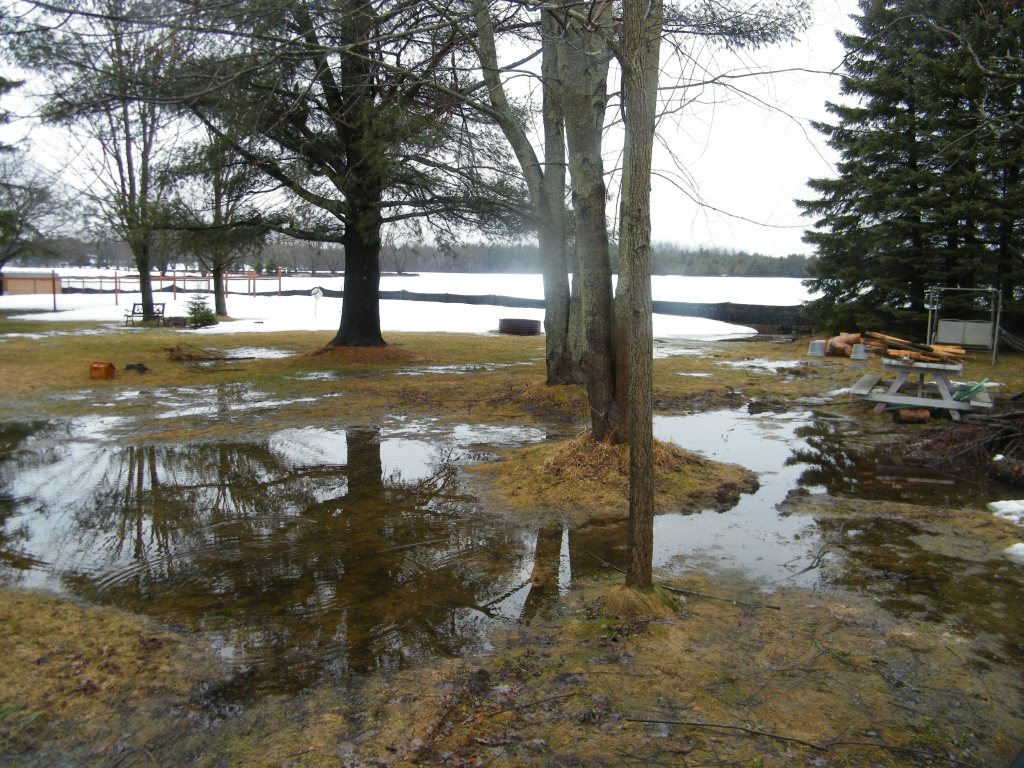
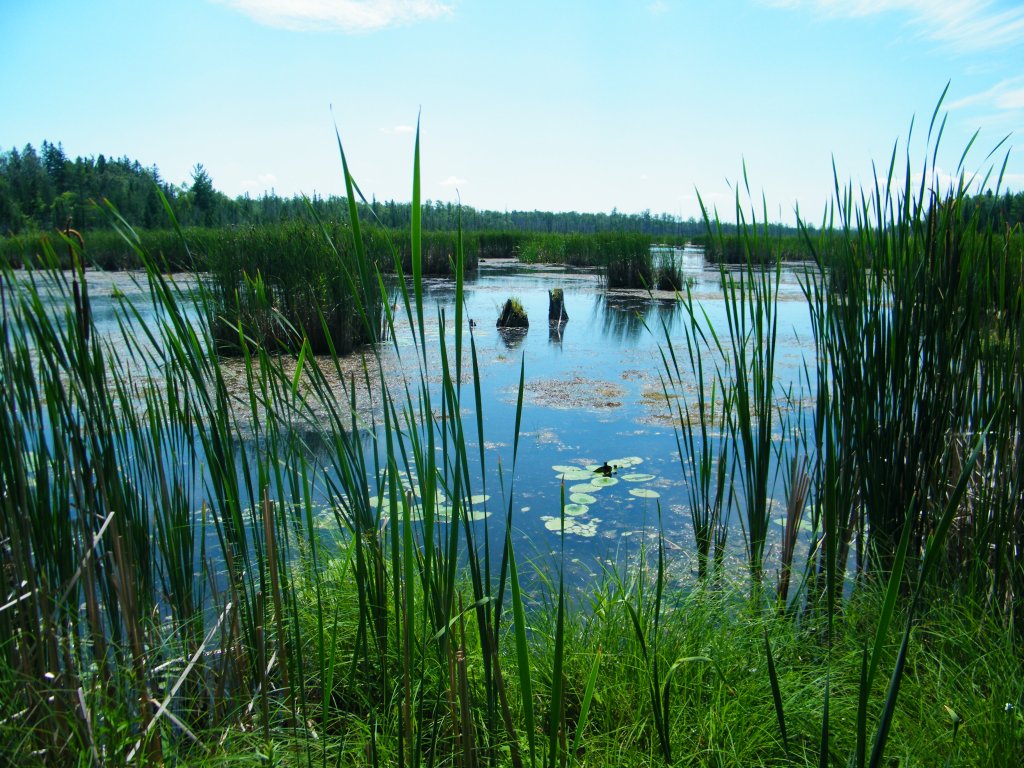
Another extremely important part of our freshwater systems are our wetlands. Wetlands are defined as areas that are covered in water for at least one season. Ontario Natures shares this about wetlands, “Wetlands are essential for mitigating climate change, storing an astonishing 29 billion tonnes of carbon in Ontario alone. Wetlands also act like giant sponges during heavy rainfall, significantly reducing floods that harm property and livelihoods.” Wetlands also allow water to percolate down to help recharge our groundwater aquifers. Sadly in Southern Ontario 70% of wetlands have been destroyed.
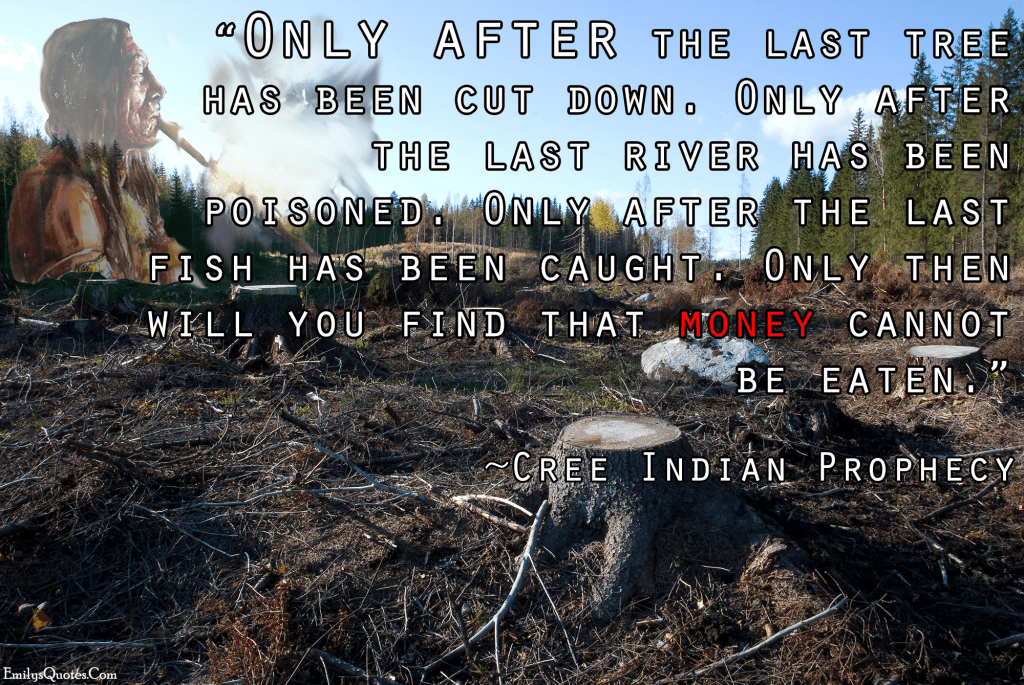
Pollution, Climate Change and Over-extraction. Water is incredibly precious. May we all do our part to protect it for future generations. As I conclude, I’d like to share with you a very powerful quote I read on Bluesky. It goes as follows, “We create the future through our collective actions and intentions. We are not, however, starting with a blank canvas. We step into a stream of life that is already in flow, and we need both to attune to that flow and contribute to its becoming.”
Very interesting seven and a half minute video by Wall Street Journal on disappearing groundwater from over-extraction in several states in America.



 theoldfellowgoesrunning
Such a terrible thing. Thank you for your thorough and thoughtful post.
LikeLiked by 1 person
You are welcome, Lori. Thank you for taking the time to read. 🙏
LikeLike
Oh this is so scary, Carl! Such a timely dive into water and its critical role! I love how you tie together your decades in the well industry with broader environmental issues, making the scale of the problem tangible. The way you highlight pollution, climate change, and over-extraction really drives home how fragile our freshwater systems are.
Seeing your personal experiences, from Algonquin backpacking days to filtering streams on your 101 km virtual run, makes it hit even closer to home. Your photos and examples, like the Coldwater River and wetlands in Copeland Forest, make it so tangible.
The Cree prophecy at the end is a powerful reminder: we really do have a role in shaping the future. Thanks for sharing this so fully. If only more people saw the urgency!
LikeLiked by 1 person
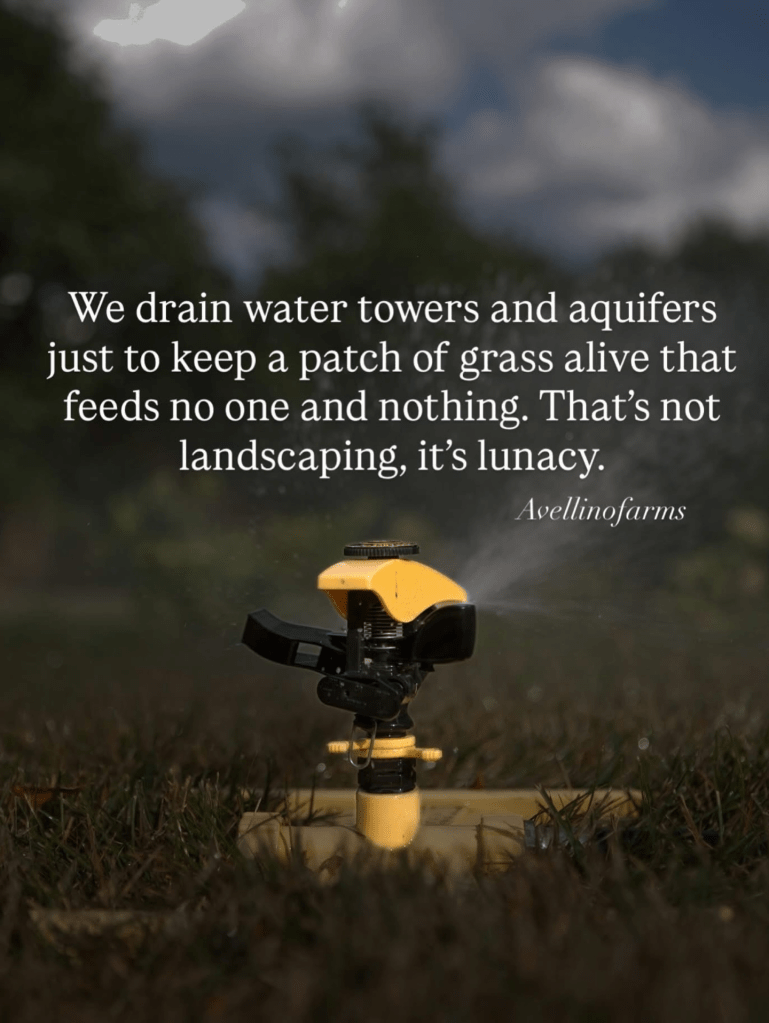
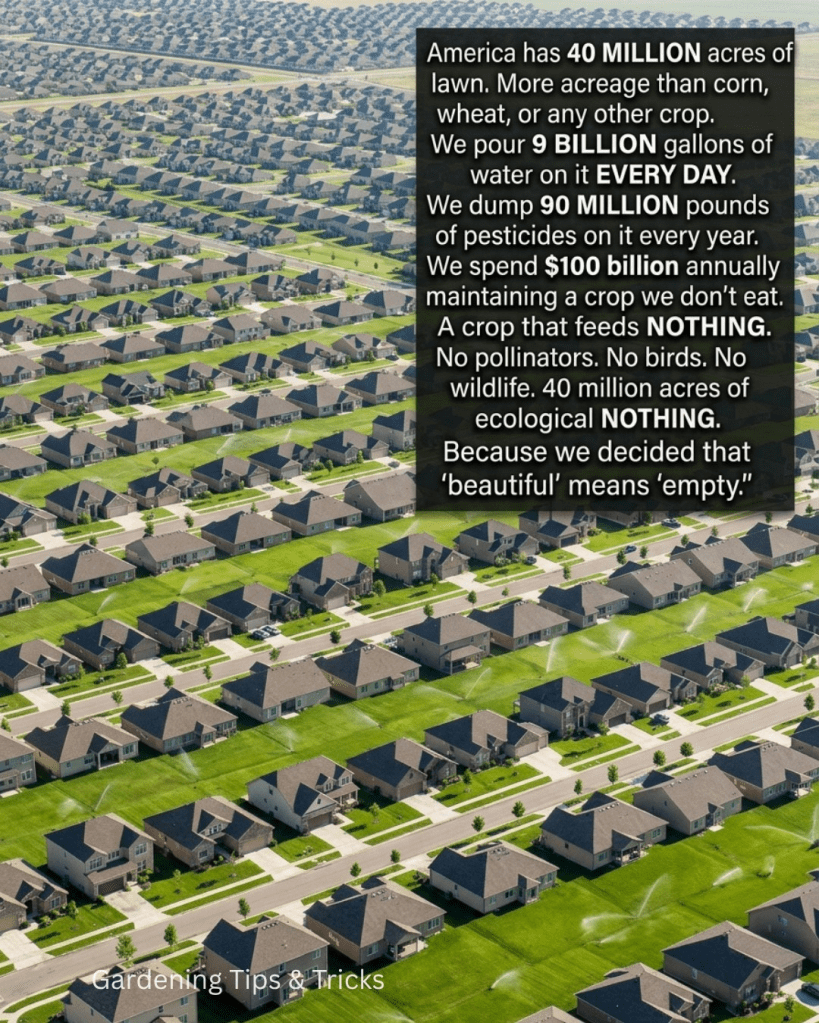
Thank you for reading and your comment, Catrina. I remember reading sometime back of how much ice the glaciers in Switzerland has been lost. Over-extraction is a very serious issue. I was involved with the drilling of the new wells in my village of Hillsdale around 1996/1997. Last year we had a quite a serious drought. A lot of excess lawn watering and the municipality originally had it so the houses with the even street number would water on the even calendar days and the odd street numbers would water on the odd calendar days. Water consumption was still very high, so a complete outdoor watering ban was issued. Sadly dozens of homeowners were breaking the law. I go for a nighttime walk, and there all these lawn sprinklers going under the cover of darkness.
LikeLiked by 1 person
What an eye opener on so many subjects! Thank you for all your work putting this together, excellent yet sad.
LikeLiked by 1 person
You are very welcome, Diana. Thank you for taking the time to read through. 🙏🌎
LikeLike